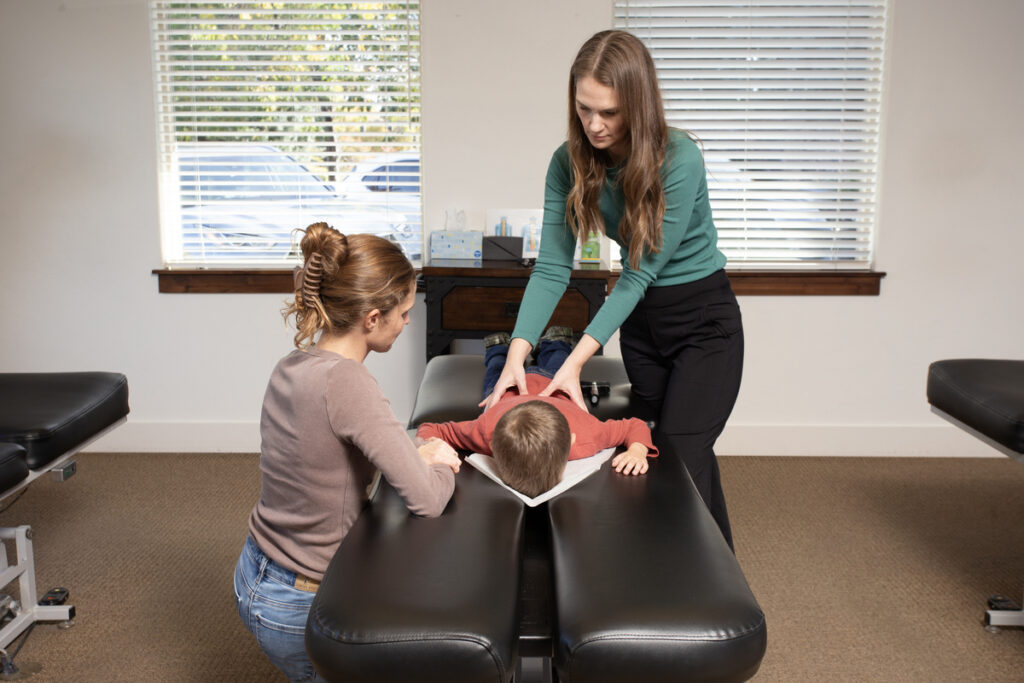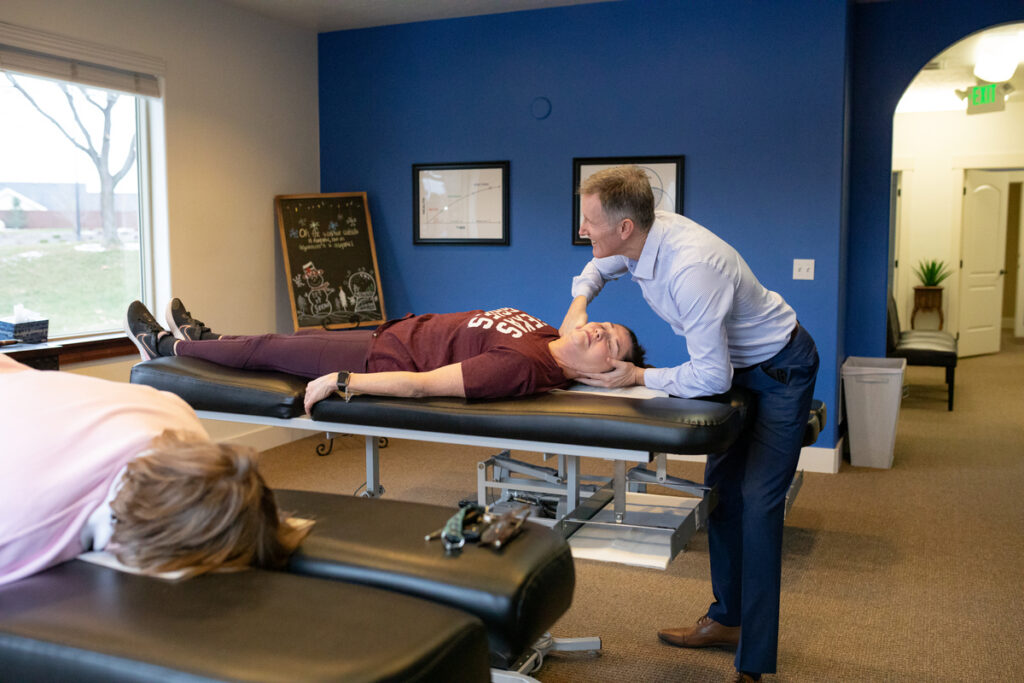

When it comes to managing back pain, a one-size-fits-all approach rarely cuts it. You might find that your pain stems from specific triggers or lifestyle factors that others don't share. Personalized back pain plans take these unique aspects into account, allowing for targeted strategies that can truly make a difference. By understanding your medical history and daily habits, you can create a plan that not only addresses your pain but also empowers you to take control of your recovery. But what are the key components that make these plans so effective?
Understanding Back Pain Variability
Back pain's variability can be surprising, even to those who experience it regularly. You might notice that one day, your back feels fine, while the next day, it can flare up unexpectedly. That inconsistency often stems from a multitude of factors, including your daily activities, posture, stress levels, and even your emotional state. Each of these elements can interact in complex ways, making your experience unique.
It's not just about the pain itself; it's also about how the pain affects your life. Sometimes, you might feel sharp, stabbing pains, while other times, it could manifest as a dull ache. You might also notice that certain movements or positions trigger your pain, while others provide relief. This variability can make it challenging to pinpoint the exact cause.
Moreover, your body's response to pain can change over time. What worked yesterday to alleviate your discomfort mightn't be effective today. Factors like aging, physical fitness, and even changes in your lifestyle can contribute to this evolution. It's vital to recognize that your back pain isn't static; it's a dynamic experience that requires your attention.
Understanding this variability is important. By paying close attention to your body's signals and the circumstances surrounding your pain, you can start to identify patterns. This awareness serves as the foundation for developing more effective strategies to manage your back pain in the long run.
Benefits of Customized Approaches
When it comes to managing back pain, a one-size-fits-all solution often falls short. Each person's experience with back pain is unique, and so are their needs. Customized approaches allow you to address your specific symptoms, lifestyle, and health conditions more effectively. By tailoring a plan to your individual situation, you're more likely to achieve relief and improve your quality of life.
One significant benefit of personalized plans is that they foster a deeper understanding of your body. You'll learn what triggers your pain and what alleviates it. This knowledge empowers you to make informed decisions about your treatment options, whether that involves targeted exercises, dietary changes, or alternative therapies.
Additionally, customized approaches increase motivation and adherence to treatment. When you see progress that's specifically designed for your situation, it's easier to stay committed. This sense of ownership can lead to better outcomes, as you're more likely to engage fully in your recovery process.
Moreover, personalized plans often involve a multi-disciplinary approach. You might work with physical therapists, chiropractors, or even nutritionists, creating a thorough strategy that addresses various aspects of your health. This collaboration enhances your overall well-being, ensuring that every facet of your pain management is considered.
Key Components of Personalized Plans
Personalized plans for managing back pain incorporate several key components that make them effective.
First, they start with a detailed assessment of your specific condition. This includes understanding the type of pain you're experiencing, its intensity, and how it impacts your daily life. By pinpointing these factors, you can create a plan tailored to your needs.
Next, your plan should include targeted exercises. These exercises are designed to strengthen your back and core muscles. They help improve your posture and flexibility, which can alleviate pain and prevent future issues. It's vital to choose exercises that match your current fitness level to avoid injury.
In addition to physical activities, your plan may incorporate lifestyle changes. This could involve adjusting your workstation for better ergonomics or integrating regular breaks into your routine. Nutrition also plays a role; a balanced diet can promote healing and overall well-being.
Another important component is ongoing monitoring. Regular check-ins with a healthcare professional allow you to track your progress and make necessary adjustments to your plan. This guarantees that you stay on the right path and helps you remain motivated.
Finally, consider incorporating stress management techniques. Practices like mindfulness, yoga, or meditation can reduce tension in your body, which often contributes to back pain.
Role of Medical History
Your medical history plays an essential role in developing a personalized back pain management plan. When you share your past health issues, treatments, and surgeries with your healthcare provider, they can better understand the root causes of your pain. For instance, if you've experienced previous back injuries or chronic conditions like arthritis, this information helps shape your treatment approach.
Additionally, knowing your family history of back problems can provide insights into genetic predispositions that may influence your current situation. Your healthcare provider can assess whether your pain is likely due to inherited conditions or lifestyle factors, tailoring their recommendations accordingly.
It's also vital to disclose any medications you're currently taking or have taken in the past. Certain medications can affect your pain perception or interact with new treatments. By providing this information, you guarantee that your plan minimizes risks and enhances effectiveness.
Moreover, understanding your previous treatment responses, whether positive or negative, guides your provider in selecting therapies that have the highest chance of success for you. If you've previously found relief from physical therapy, for example, that could be a primary focus in your plan.
In short, your medical history is a roadmap that leads to a more effective and personalized back pain management strategy. It allows your healthcare provider to make informed decisions, guaranteeing that your plan addresses your unique needs and maximizes your chances for relief and recovery.
Don't underestimate the importance of this valuable information!
Lifestyle Considerations
When it comes to managing your back pain, lifestyle adjustments play an essential role.
You'll want to think about how your daily activities, workspace ergonomics, and exercise routines can impact your comfort and mobility.
Making these changes can greatly enhance your overall well-being and help alleviate pain.
Daily Activity Adjustments
As you navigate daily life, making small adjustments to your activities can greatly impact your back pain management. It's important to listen to your body and recognize when certain movements exacerbate your discomfort. For instance, if bending down to pick up objects causes pain, consider squatting or using a reacher tool to minimize strain on your back.
Incorporating more gentle stretches and mobility exercises into your daily routine can also help. You might find that dedicating just a few minutes each day to stretching your back and hips enhances your flexibility and reduces tension.
Additionally, be mindful of your posture, whether you're sitting, standing, or walking. Keep your shoulders back, engage your core, and avoid slouching to alleviate pressure on your spine.
Don't underestimate the power of breaks during prolonged activities. If you're doing chores or running errands, take short breaks to sit down and rest. This can prevent fatigue and stiffness from setting in.
Finally, consider your footwear. Supportive shoes can make a significant difference in how your back feels throughout the day. By making these daily activity adjustments, you empower yourself to manage your back pain effectively.
Ergonomic Workspaces Importance
Creating an ergonomic workspace can greatly improve your comfort and reduce back pain while working. When you set up your workspace correctly, you're not just enhancing productivity; you're also taking proactive steps to protect your spine.
Start by adjusting your chair so that your feet rest flat on the floor, and your knees are at or slightly below hip level. This position supports proper alignment and minimizes strain.
Next, make sure your desk height allows your elbows to remain at a 90-degree angle when typing, which can prevent unnecessary shoulder tension. If you use a computer, position the monitor at eye level to avoid leaning forward or straining your neck.
Using a chair with lumbar support can also help maintain the natural curve of your spine.
Don't forget about keyboard and mouse placement; they should be close enough to avoid reaching too far. Incorporating these adjustments into your daily routine can greatly decrease discomfort and enhance your overall well-being.
Exercise and Mobility Focus
An ergonomic workspace sets the stage for a healthier lifestyle, but it's only part of the equation. To truly combat back pain, you need to prioritize exercise and mobility in your daily routine.
Incorporating movement into your life helps strengthen your muscles and improve flexibility, which can relieve pain and prevent future issues.
Here are four key components to focus on:
- Stretching: Incorporate daily stretching to enhance flexibility and reduce muscle tension. Simple routines can make a big difference.
- Strength Training: Strengthen your core and back muscles with targeted exercises. This support helps maintain proper posture and reduces strain on your spine.
- Low-Impact Cardio: Engage in low-impact activities like walking, swimming, or cycling. These exercises improve circulation and overall fitness without stressing your joints.
- Restorative Practices: Consider yoga or Pilates to improve your balance and body awareness. These practices can also promote relaxation, reducing stress that may contribute to pain.
Long-Term Impact on Recovery
When you explore personalized back pain plans, you'll find that tailored treatment approaches play an essential role in your long-term recovery.
By implementing sustained pain management strategies, you can greatly improve your quality of life.
Let's look at how these customized solutions can make a difference in your healing journey.
Tailored Treatment Approaches
Tailored treatment approaches play an essential role in your long-term recovery from back pain. Instead of a one-size-fits-all solution, customized plans address your unique needs, lifestyle, and pain levels. When you engage in a personalized approach, you increase your chances of effective recovery.
Here are four key components that contribute to your success:
- Assessment of Individual Needs: Your healthcare provider evaluates your specific condition, allowing for targeted interventions that suit your situation.
- Customized Exercise Programs: Tailored exercises focus on strengthening your back, improving flexibility, and promoting overall physical health, which can greatly reduce pain.
- Lifestyle Modifications: Personalized recommendations on daily activities and ergonomics can prevent further strain on your back, fostering a better recovery environment.
- Ongoing Support and Adjustments: Regular check-ins with your healthcare team guarantee that your treatment evolves with your progress, making necessary adjustments to maximize effectiveness.
Sustained Pain Management Strategies
Effective pain management strategies are essential for maintaining long-term recovery from back pain. When you adopt a personalized approach, you're more likely to experience lasting relief and improved function.
Start by identifying specific triggers that exacerbate your pain. Keep a journal to track activities, moods, and pain levels, and share this with your healthcare provider.
Incorporating a combination of physical therapy, mindfulness, and medication can greatly enhance your recovery. Physical therapy helps strengthen core muscles, which supports your spine and reduces discomfort. Mindfulness practices, like meditation or yoga, can help you manage stress and improve your overall well-being.
Don't overlook the importance of lifestyle changes. Regular exercise, maintaining a healthy weight, and ensuring proper ergonomics at work can all contribute to sustained pain management.
Establishing a routine that incorporates these elements will help you stay committed to your recovery.
Finally, stay in touch with your healthcare team. Regular check-ins allow for adjustments to your pain management plan as needed. By actively participating in your recovery, you'll empower yourself to manage your back pain effectively and enjoy a better quality of life.
Encouraging Active Participation
To foster a sense of ownership in your journey toward back pain relief, it's crucial to encourage active participation in your treatment plan. When you actively engage in your care, you're more likely to stay committed and see positive results.
Here are some ways to encourage that participation:
- Set Clear Goals: Define what relief means for you. Is it being able to lift your child without pain or sitting through a movie comfortably? Having specific goals helps you stay focused and motivated.
- Track Your Progress: Keep a journal or use an app to document your pain levels, activities, and any treatments you're trying. This not only helps you see patterns but also empowers you to take control of your journey.
- Communicate with Your Healthcare Team: Don't hesitate to share your thoughts and concerns with your doctors or therapists. Ask questions about your treatment plan, and voice any adjustments you feel might be beneficial. Your input is valuable!
- Incorporate Self-Care Practices: Engage in activities that promote your well-being, such as gentle stretching, yoga, or mindfulness exercises. When you take charge of your self-care, you're actively participating in your healing process.
Conclusion
To summarize, personalized back pain plans truly make a difference in your recovery journey. By considering your unique experiences and triggers, these tailored approaches not only alleviate pain but also empower you to take control of your health. Collaborating with healthcare professionals and addressing your lifestyle choices can lead to more effective management strategies. Embrace this customized approach, and you'll likely see significant improvements in both your pain levels and overall quality of life.