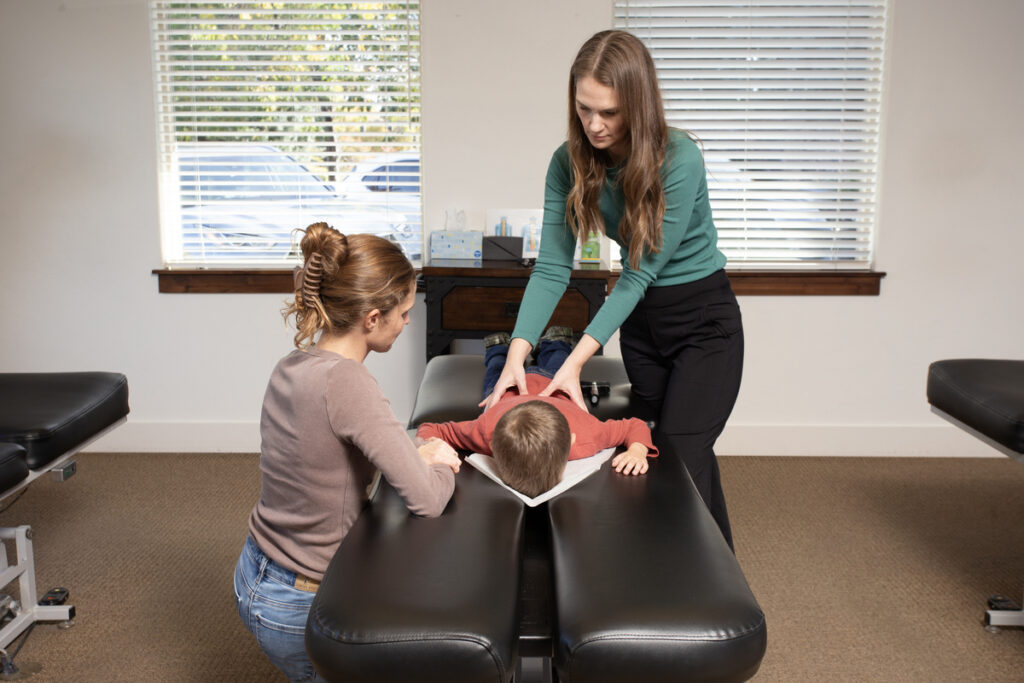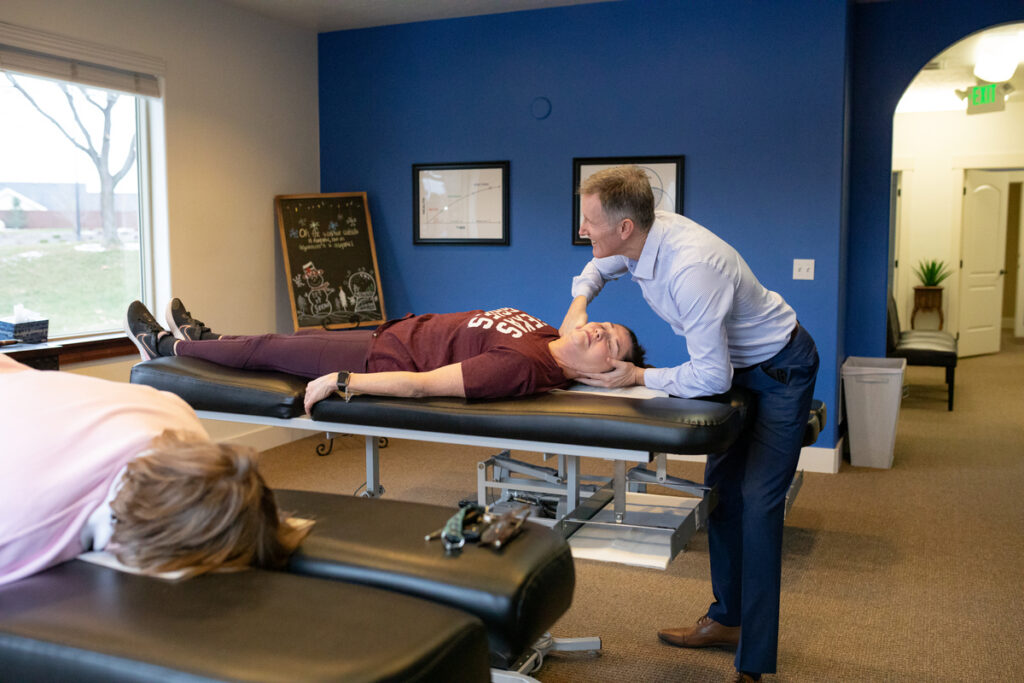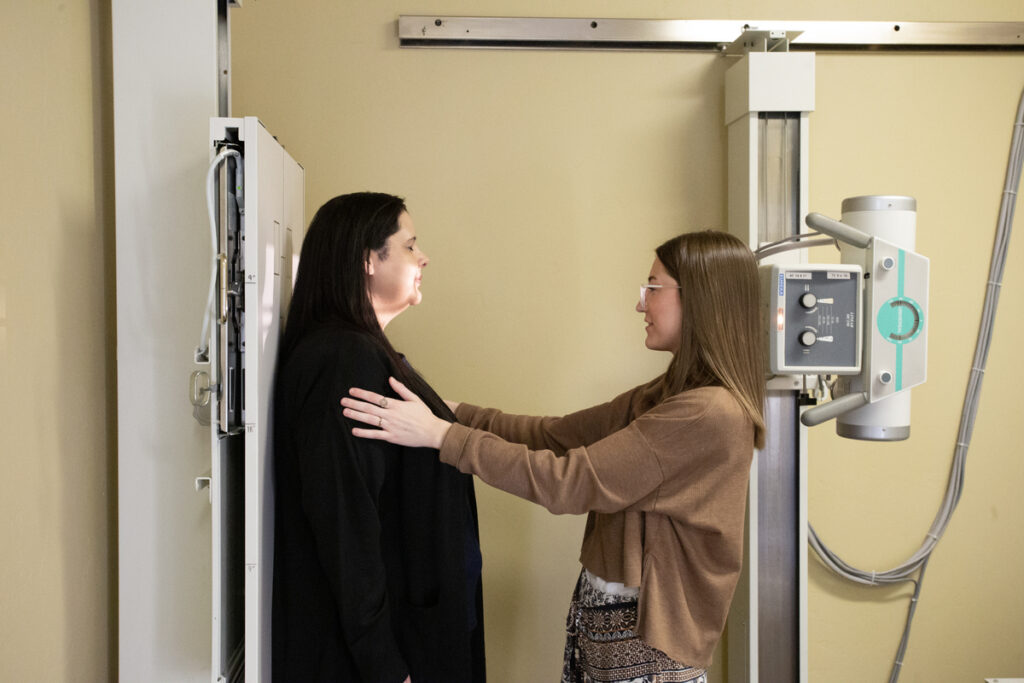

As a local chiropractor, I want to emphasize how vital it is to understand the unique vulnerabilities of infants when it comes to their care. Their delicate bones and underdeveloped muscles make them particularly susceptible to injury from improper handling or unsafe techniques. Even actions taken with the best of intentions can lead to serious physical and emotional consequences that may affect them for a lifetime.
As caregivers, you play a crucial role in ensuring their safety and promoting their healthy development. It's important to be aware of the best practices that can safeguard their well-being. By exploring the risks associated with improper handling, we can gain valuable insights into how to nurture and protect these precious little ones. Remember, a gentle and informed approach is key to supporting their growth and overall health.
Understanding Infant Vulnerability
Understanding infant vulnerability is crucial, especially when considering their health and well-being from a chiropractic perspective. Infants are incredibly delicate both physically and emotionally, and their bodies are still in the early stages of development. This makes them particularly susceptible to injury from improper handling or unsafe practices.
As a chiropractor, I want to emphasize that their bones are soft, their muscles are underdeveloped, and their immune systems aren't yet fully functional. Every little movement can significantly impact their health.
Moreover, infants can't effectively communicate their discomfort or pain, which means they rely on caregivers to decipher their needs and signals. This vulnerability also extends to their emotional well-being. A nurturing environment is essential for their psychological development; experiencing stress or trauma during these formative years can have long-lasting effects.
As caregivers, you play a vital role in their lives, and your actions can shape their experiences. Being aware of their physical limitations allows you to take proactive measures to protect them. For example, always support their head and neck when holding them, and ensure they're in safe sleeping positions to reduce the risk of accidents, which can have repercussions on their spinal health.
It's also important to recognize that infants are naturally curious and tend to explore their surroundings. This curiosity can lead them into potentially hazardous situations if you aren't attentive. By understanding their vulnerability, you can create a safe environment that encourages healthy growth and exploration while minimizing risks.
As a chiropractor, I recommend regular check-ups for infants to ensure their spine and nervous system are developing properly. Your awareness and actions are essential in nurturing a secure environment and promoting the overall health of your infant. Together, we can support their journey toward optimal health and well-being.
Common Unsafe Techniques
As a local Chiropractor, I want to emphasize the importance of recognizing common unsafe practices when caring for infants, as these can significantly impact their well-being.
Many caregivers may not realize that improper restraint methods, unsafe sleeping positions, and inadequate support techniques can lead to serious issues, not only in terms of safety but also in their developing musculoskeletal health.
For instance, using car seats incorrectly or placing infants on soft surfaces to sleep can increase the risk of injury or discomfort.
Educating yourself about proper techniques can help create a safer environment that promotes natural healing and optimal alignment for your little one.
It's crucial to ensure that your infant is supported correctly to avoid any future complications.
Improper Restraint Methods
As a local chiropractor dedicated to promoting the health and well-being of families, I want to highlight the importance of proper restraint methods for infants. Using inappropriate techniques can pose significant risks to your baby's safety.
When restraints don't securely hold your child or excessively limit their movement, it increases the chances of injury. For example, makeshift restraints like belts or straps intended for older children can lead to serious hazards such as suffocation or falls.
It's crucial to ensure that any restraint method you utilize is specifically designed for infants. Take car seats, for instance; they must be correctly installed and adjusted to fit your child snugly without being overly tight. Loose straps can allow your baby to slide out, while overly tight straps can lead to discomfort or injury.
Furthermore, be cautious with items like swings or bouncers that lack secure safety harnesses. These can create precarious situations if your infant shifts or leans over.
Always supervise your child when they're in any restraint system, and adhere to manufacturer guidelines to maximize safety.
Remember, proper restraint is essential for keeping your infant safe, comfortable, and secure. As a chiropractor, I emphasize that ensuring your child's safety is paramount, and I encourage you to never compromise on this critical aspect of their care.
Your child's health and well-being are our top priority!
Unsafe Sleeping Positions
As a local chiropractor, I want to emphasize the importance of safe sleeping positions for your baby's health and well-being. The way your infant sleeps can significantly affect their safety, and choosing unsafe positions can lead to serious health risks, including Sudden Infant Death Syndrome (SIDS).
It is crucial to always place your baby on their back when it's time for sleep. This position not only lowers the risk of SIDS but also ensures that your baby can breathe easily while resting.
Avoid placing your little one on their stomach or side, as these positions can restrict airflow and heighten the risk of suffocation. Additionally, your baby's sleep environment should be free from soft bedding, pillows, or stuffed animals, as these items can create hazards if your baby rolls over or buries their face.
I also want to caution against the use of sleep positioning devices. Though these products may claim to keep your baby in a specific position, they can actually increase the risk of suffocation. Instead, focus on creating a safe sleeping space with a firm mattress and a fitted sheet in a crib or bassinet.
Remember to always supervise your baby during sleep and ensure they're in a safe environment.
Prioritizing safe sleeping positions not only protects your baby's health but also provides you with peace of mind as a parent. Your baby's comfort and safety are paramount, and simple adjustments can make a world of difference in their well-being.
Inadequate Support Techniques
As a local chiropractor, I want to emphasize the importance of proper support techniques for your infant's health and development. Inadequate support can lead to serious health concerns, particularly for their growing bodies.
For instance, using improper methods such as propping your baby up with pillows or blankets can significantly increase the risk of suffocation or injury. These items can shift unexpectedly, which compromises your child's safety rather than providing the necessary stability.
When you hold or carry your infant, it's crucial to support their head and neck correctly. Neglecting this can lead to discomfort and may even contribute to long-term developmental issues. Always remember to use your arms to cradle their head while securely supporting their body.
Moreover, when placing your baby in a stroller or car seat, ensure that the harness fits snugly yet comfortably. Loose straps can allow your baby to slouch or slide, which increases the potential for injury during sudden stops.
I also advise against using makeshift devices like bouncers that aren't suited for your infant's age or weight. These can provide inadequate support, putting unnecessary strain on their delicate bodies.
It's essential to choose products that comply with safety standards, and don't hesitate to consult with pediatricians or healthcare professionals if you have any uncertainties.
Prioritizing proper support techniques is vital for your baby's health and well-being, and as a chiropractor, I encourage parents to be proactive in creating a safe and supportive environment for their little ones. Your infant's development deserves the best foundation possible.
Potential Risks and Consequences
As a local chiropractor dedicated to educating our community about safe practices in wellness, I want to highlight the importance of handling infants with care.
It's crucial to understand that using unsafe techniques can lead to serious health complications and long-term developmental issues for our littlest ones. When we expose infants to inappropriate methods, we jeopardize not only their immediate health but also their future potential.
Here are some key points to consider:
- Physical Injuries: Improper handling of infants can result in fractures, dislocations, or internal injuries that may go unnoticed at first. These injuries can have lasting effects, leading to chronic pain or mobility challenges as they grow.
- Neurological Damage: The brains of infants are rapidly developing, and any traumatic experiences from unsafe techniques can hinder that development. This can lead to delays in reaching developmental milestones or cognitive impairments, which may affect their ability to learn and interact socially.
- Emotional and Psychological Impact: When infants undergo unsafe techniques, it can instill feelings of fear and anxiety. This can create attachment issues that may hinder their ability to form healthy relationships as they mature.
At our practice, we prioritize safe, gentle approaches that support the natural healing processes of infants.
Our goal is to educate parents about the importance of choosing safe chiropractic care and techniques that promote the well-being of their children.
The Importance of Evidence-Based Practices
As a local chiropractor, I understand that it can be easy to rely on anecdotal evidence or traditional medical approaches when considering care for your infant. However, embracing evidence-based practices in chiropractic care is essential for ensuring the safety and well-being of your child.
These practices are built on rigorous research and clinical expertise, providing a solid foundation for the care we offer. By using evidence-based techniques, we prioritize what's been proven to work best for infants, rather than simply following trends.
When we adopt evidence-based practices, we significantly reduce the risks associated with unsafe techniques. This approach empowers us to make informed decisions based on the latest research findings and expert recommendations. It allows us to evaluate the effectiveness of various interventions, ensuring that our methods not only promote safety but also support your infant's healthy development.
Moreover, evidence-based practices promote consistency in care. When both my team and I adhere to standardized protocols backed by scientific evidence, we create a reliable environment for your child. This consistency is crucial, as it helps prevent confusion and anxiety for both infants and caregivers.
Additionally, utilizing evidence-based approaches fosters trust between us. As parents and caregivers, you're more likely to feel confident in our methods when you see that we rely on proven practices. This openness encourages constructive conversations about the care being provided, reinforcing the importance of transparency in our approach to your family's health.
Recognizing Signs of Distress
As a local chiropractor dedicated to the health and well-being of your little ones, I want to emphasize the importance of being aware of your infant's comfort, especially when it comes to chiropractic care.
Infants can't verbally express their discomfort, making it essential for parents to recognize the signs of distress. By understanding these signals, you can ensure your child's safety and happiness during any treatment.
Here are some key signs to keep an eye on:
- Crying or Fussiness: If your baby is crying without a clear reason or is unusually fussy, it may indicate they're experiencing discomfort or pain.
- Tension or Stiffness: Notice if your baby's muscles feel tense or rigid; this could be a sign of distress that deserves your attention.
- Changes in Feeding or Sleeping Patterns: A sudden change, such as refusal to feed or disrupted sleep, may signal that something isn't right.
It's essential to take these signs seriously. An infant's body is delicate, and even subtle cues can indicate underlying issues.
Always pay close attention to their reactions, particularly during and after any chiropractic treatment. If you observe that your child is unusually irritable or uncomfortable, please feel empowered to voice your concerns or seek a second opinion. Your instincts as a parent are incredibly valuable; trust them.
Above all, prioritize your infant's safety over any treatment method. If anything feels off, it's always wise to err on the side of caution.
Safe Alternatives to Unsafe Methods
As a local chiropractor dedicated to the well-being of your infant, I understand the importance of exploring safe alternatives to potentially unsafe chiropractic methods.
It's crucial to prioritize your baby's safety and comfort, and I'd like to share some gentle approaches that can support their health.
One effective alternative is craniosacral therapy. This gentle technique involves light touch to help relieve tension in your baby's body. It promotes relaxation and overall well-being without the need for forceful manipulations, ensuring a safe experience for your little one.
Pediatric physical therapy is another excellent option. Trained professionals can guide you through age-appropriate exercises and stretches that support your infant's development. This method helps improve motor skills and alleviates any discomfort in a safe manner.
In addition, consider incorporating infant massage into your routine. This soothing technique not only fosters bonding between you and your baby but also promotes relaxation and enhances circulation.
It's equally important to ensure that your baby's sleeping environment is safe. Using a firm mattress and avoiding soft bedding can significantly reduce the risk of distress. Regular tummy time is essential as well; it strengthens your baby's muscles and allows them to explore their surroundings safely.
Finally, I encourage you to consult with a pediatrician if you notice any signs of discomfort or distress in your infant. They can refer you to professionals who specialize in gentle, safe care tailored to infants.
By choosing these safe alternatives, you aren't only protecting your baby but also creating a nurturing environment for their growth and development.
The Role of Caregiver Education
As a local chiropractor, I believe that educating caregivers about safe practices in the realm of health and wellness is crucial for the well-being of their children. When caregivers are informed about chiropractic care and natural healing methods, they're better equipped to make decisions that enhance their little ones' overall health. This education can take various forms, including workshops, online resources, and informative brochures.
Here are a few key areas caregivers should consider:
- Understanding the benefits of chiropractic adjustments for infants, which can help address issues such as colic or sleep disturbances.
- Learning about natural feeding practices that support healthy growth and development, alongside chiropractic care.
- Recognizing signs that may indicate the need for a chiropractic assessment, such as unusual fussiness or difficulty with movement.
By prioritizing education in chiropractic care, you empower yourself to create a nurturing environment for your child. Knowledge of these safe practices not only helps avoid harmful techniques but also fosters confidence in your ability to support your child's health.
Informed caregivers often share their experiences within their communities, creating a ripple effect that promotes overall wellness. Additionally, staying updated on the latest research and guidelines from chiropractic organizations can significantly influence your decisions regarding your child's health.
Engaging with healthcare professionals, including chiropractors, during regular check-ups allows you to reinforce safe practices, ask questions, and address any concerns you may have.
In essence, education transforms the way caregivers approach their children's health and wellness. It reduces the likelihood of relying on unsafe or ineffective techniques and cultivates a culture of safety and awareness.
When you take the initiative to learn about chiropractic care and apply that knowledge, you not only protect your child but also contribute to a broader movement advocating for the health and safety of all children in our community.
Long-Term Impact of Unsafe Practices
As a local chiropractor, I want to emphasize the importance of ensuring a safe and nurturing environment for our infants. Exposure to unsafe practices, whether physical or emotional, can have long-lasting effects on their development.
When infants experience these challenges, it can result in developmental delays and disabilities, which may hinder their ability to thrive as they grow.
Moreover, it's crucial to understand that these early experiences can also lead to emotional and behavioral issues later in life. These challenges can impact their relationships and overall well-being, affecting their ability to connect with others and navigate the world around them.
Chiropractic care focuses on holistic healing and promoting a healthy nervous system, which plays a vital role in a child's development.
Developmental Delays and Disabilities
As a local chiropractor, I want to shed light on the importance of safe practices during infancy and how they can significantly influence a child's development.
It's crucial to understand that improper handling or unsafe techniques during this critical stage can lead to lasting developmental delays and disabilities.
When infants are exposed to harmful practices, it can greatly jeopardize their cognitive, physical, and social growth. This not only affects their ability to learn but also impacts their capacity to interact with others and thrive as they mature.
Here are some key areas where safe handling and chiropractic care can make a difference:
- Cognitive Development: Proper care and stimulation during infancy can enhance cognitive function, leading to better learning capabilities and problem-solving skills. Chiropractic care can support healthy brain development by ensuring proper alignment and function of the nervous system.
- Motor Skills: Gentle chiropractic adjustments can aid in the development of essential motor skills. By ensuring that the spine and nervous system are in optimal condition, we can help facilitate better mobility and coordination in infants.
- Social Engagement: Early experiences shape a child's ability to form secure attachments. Chiropractic care can create a calming effect, reducing stress and promoting a sense of well-being, making it easier for children to engage socially.
By understanding the role of safe practices and natural healing methods, we can promote healthier development for our children.
Let's work together to ensure that our little ones have the best start possible.
Emotional and Behavioral Issues
As a local chiropractor, I want to emphasize the crucial role that safe handling practices play in the emotional and behavioral health of infants. When we think about chiropractic care, we often focus on physical alignment and well-being, but it's important to recognize how these physical experiences can impact a child's emotional development.
Improper handling techniques can create feelings of fear and insecurity in a developing infant. This early trauma can manifest later in life as anxiety, withdrawal, or even aggressive behaviors. It's essential to understand that infants respond emotionally to their physical experiences. If they're frequently handled in ways that cause them discomfort or distress, they may develop a mistrust of caregivers, which can hinder their ability to form healthy attachments and impact their social skills as they grow.
Furthermore, unsafe handling practices can compromise an infant's ability to self-regulate their emotions. As they grow older, this may lead to challenges such as tantrums or difficulties managing frustration. As a chiropractor, I believe that our approach to caring for infants—through gentle and safe techniques—sets a foundation for their emotional well-being.
By prioritizing nurturing interactions and ensuring safe handling, we not only support their physical health but also foster a healthy emotional environment that encourages resilience and emotional intelligence.
Building a Supportive Care Environment
Creating a supportive care environment for infants is crucial for their overall well-being and development, and as a chiropractor, I want to emphasize how this approach can also align with the principles of natural healing. Nurturing surroundings not only contribute to physical health but also promote emotional and social growth. Here are some key elements to consider:
- Consistent Care: Establishing stable and predictable routines can help infants feel secure and build trust, which is fundamental for their development. In chiropractic care, we emphasize the importance of regular check-ups to ensure alignment and overall health.
- Warmth and Affection: Regular physical contact and nurturing interactions are vital for emotional bonding and development. Gentle touch, similar to chiropractic adjustments, can promote relaxation and comfort, enhancing the connection between caregiver and child.
- Safe Spaces: Creating a clean, safe environment allows infants to explore and develop their motor skills without unnecessary risks. In our chiropractic practice, we focus on ensuring a safe and supportive physical environment for children as they grow.
Actively engaging with infants is essential. Talk to them, sing, and respond to their cues. This interaction not only lays the foundation for healthy communication skills but also mirrors the holistic approach we take in chiropractic care—addressing both the body and mind.
Consider the sensory experiences around them. Soft lighting, gentle sounds, and comfortable textures can enhance their comfort and curiosity. This sensory awareness is something we also promote in our practice, as it can help children feel more at ease during visits.
Involve caregivers in this process. A collaborative approach ensures that everyone understands the importance of a supportive atmosphere. Regular communication among caregivers and health professionals fosters a unified strategy to meet the infant's needs.
Lastly, observing the infant's reactions is key. Every child is unique, and being attuned to their preferences and discomforts allows for adjustments that can improve their environment.
Promoting Infant Health and Safety
As a local chiropractor, I want to emphasize the importance of promoting infant health and safety through natural healing practices.
It's essential for every caregiver to be informed about safe sleep practices, optimal feeding techniques, and the benefits of infant chiropractic care. These strategies can significantly enhance your baby's well-being and development.
Understanding safe sleep practices is crucial, as proper sleep positions can help prevent complications and promote a healthy spine.
Additionally, proper feeding techniques not only ensure nutrition but also support your child's digestive health, which chiropractic care can further enhance.
I also encourage caregivers to consider infant chiropractic adjustments, which can aid in relieving discomfort and supporting overall health.
Learning infant CPR is vital, but integrating natural healing approaches can provide a holistic foundation for your little one's thriving journey.
Let's work together to explore these essential strategies for keeping your baby safe and healthy!
Safe Sleep Practices
As a Chiropractor dedicated to the well-being of families, I want to share some important insights on safe sleep practices for your baby. Understanding how to create a safe sleep environment can significantly impact your child's health and development.
Here are three essential tips to ensure your little one sleeps safely:
- Always position your baby on their back when putting them to sleep. This simple practice is crucial in reducing the risk of Sudden Infant Death Syndrome (SIDS) and promotes optimal spinal alignment during rest.
- Utilize a firm mattress in a safety-approved crib or bassinet. It's vital to keep the sleep space free from soft bedding, pillows, or toys that could lead to suffocation hazards. A firm surface supports your baby's spine properly, which is essential for their growth.
- Keep the room at a comfortable temperature to prevent overheating. Instead of heavy blankets, consider using a light sleep sack. This not only promotes safe sleep but also allows for better movement and comfort as your baby grows.
By following these practices, you're not only ensuring your baby sleeps safely but also fostering a healthy foundation for their development.
If you have any questions about chiropractic care and how it can support your family's health, feel free to reach out!
Proper Feeding Techniques
As a chiropractor, I often emphasize the importance of holistic approaches to health, which includes proper feeding techniques for your baby. Ensuring that your infant is fed correctly not only supports their physical health but also contributes to their overall well-being, which is essential for their development.
When it comes to feeding, consider the method that works best for you and your baby, whether that's breastfeeding or formula feeding. If you choose to breastfeed, it's crucial to ensure that your latch is correct. A proper latch can prevent discomfort for both you and your baby, and it ensures they receive adequate nutrition.
For those using bottles, positioning is key; hold your baby at a slight angle rather than laying them flat on their back. This can help prevent choking and promote a more comfortable feeding experience.
Be attentive to your baby's signals. If they appear fussy or turn away from the bottle or breast, they may be indicating that they're full. It's important not to force-feed, as this can lead to digestive discomfort and potential issues later on. Always check the temperature of the milk to ensure it's warm but not hot, as this prevents burns and supports a safe feeding routine.
Creating a calm and distraction-free feeding environment can also enhance the bonding experience and help your baby focus on their meal. After feeding, holding your baby upright for 20 to 30 minutes can help reduce the risk of reflux, which is beneficial for their digestive health.
Remember, every baby is unique, and it's important to be in tune with their individual needs. If you have any concerns about your baby's feeding habits or overall health, don't hesitate to consult with your pediatrician or a healthcare professional.
Infant CPR Training
As a local chiropractor, I want to emphasize the importance of being prepared for emergencies, especially when it comes to the health and safety of our little ones. Understanding how to perform CPR on an infant can be incredibly valuable in critical situations. Here are some key points to consider:
- Act Quickly: A rapid response can significantly reduce the risk of brain injury or even death. Just as in chiropractic care, where timely intervention can lead to better outcomes, the same principle applies in emergencies.
- Proper Technique: Familiarizing yourself with the correct method of infant CPR ensures that you can provide effective support when it matters most. This aligns with our philosophy of using the right techniques for optimal health and healing.
- Maintain Composure: Staying calm is essential not just for the infant, but for everyone present. Your ability to remain composed can influence the situation positively and can even benefit your own health, as stress can take a toll on your body.
If you find yourself in a situation where an infant is unresponsive and not breathing, remember to call for emergency help first.
Then, lay the infant on a firm surface. Use two fingers to press down in the center of the chest, pushing about 1.5 inches deep at a rate of 100-120 compressions per minute. Between compressions, provide gentle rescue breaths by covering their mouth and nose with your mouth, giving two breaths lasting about one second each.
Incorporating knowledge about emergency procedures like infant CPR into your overall health education can empower you and those around you.
Conclusion
As a local chiropractor, I want to emphasize the importance of safe practices when it comes to caring for infants. These little ones are incredibly vulnerable, and using unsafe techniques can lead to serious injuries or emotional distress. It's crucial to be aware of their needs and signs of discomfort, as this awareness can guide us in providing appropriate care.
By adopting evidence-based practices, we can help ensure that infants receive the safest and most effective treatment. As caregivers, it's essential to educate ourselves not only about chiropractic care but also about natural healing methods that support their overall well-being. The choices we make today not only address their immediate needs but also contribute to a nurturing environment that promotes their long-term health and development. Remember, every action we take can have a lasting impact on their future.