
Back injuries are one of the most common reasons people visit a chiropractor, and often they’re the result of seemingly minor moments—lifting a box incorrectly, twisting while gardening, or even just bending down to tie your shoes. Here in Eagle, ID, we see patients every week who wish they had known simple precautions that could have prevented their pain. The good news? Most back injuries are preventable when you understand how your spine works and take proactive steps to protect it. Whether you’re active in outdoor recreation around the Boise foothills or spend long hours at a desk, learning these evidence-based precautions can help you maintain a healthy, pain-free back for years to come.
What are back injury precautions? Back injury precautions are preventive strategies and movement habits designed to protect your spine from strain, overload, and damage during daily activities. These include proper lifting techniques, posture awareness, core strengthening, and ergonomic modifications that reduce stress on the muscles, ligaments, and discs of your back.
Table of Contents
- Why Back Injuries Happen So Easily
- Proper Lifting Mechanics: Your First Line of Defense
- Everyday Movement Patterns That Protect Your Spine
- Ergonomics and Your Environment
- Strengthening and Flexibility for Spinal Support
- How Chiropractic Care Supports Injury Prevention
- Practical Precautions for Common Activities
- When to Seek Professional Care
Why Back Injuries Happen So Easily
Your spine is remarkably strong yet surprisingly vulnerable. It consists of 24 movable vertebrae stacked on top of each other, separated by intervertebral discs that act as shock absorbers. These structures are supported by layers of muscles, ligaments, and fascia. When everything works together properly, your spine can handle significant loads and diverse movements.
However, back injuries occur when forces exceed what your tissues can safely manage. This happens through several common mechanisms. Repetitive stress from poor posture gradually weakens supporting structures. Sudden overload from improper lifting creates immediate strain. Rotational forces while the spine is flexed forward put excessive pressure on discs. Muscle fatigue reduces your body’s ability to stabilize the spine during movement.
Research indicates that approximately 80% of adults will experience significant back pain at some point in their lives. Many of these episodes stem from preventable causes rather than unavoidable accidents. The combination of modern sedentary lifestyles, repetitive job demands, and lack of awareness about proper body mechanics creates the perfect environment for injury.
At The Chiropractor at Castlebury, we educate Eagle residents that most back injuries don’t happen because your spine is fragile—they happen because daily habits and movement patterns create cumulative stress that eventually exceeds your body’s capacity to adapt. Understanding this empowers you to make different choices.
Proper Lifting Mechanics: Your First Line of Defense
Lifting is one of the most common ways people injure their backs, yet most injuries occur with relatively light objects rather than heavy ones. The reason? People tend to use proper form with heavy items but become careless with lighter loads. A basket of laundry, a bag of groceries, or even picking up a toddler can cause injury if done incorrectly.
The Foundational Lifting Technique
Proper lifting begins before you even touch the object. Position yourself close to what you’re lifting—reaching outward multiplies the effective weight and strain on your lower back. Stand with your feet shoulder-width apart for a stable base of support. Before bending, engage your core muscles by gently tightening your abdominal muscles as if bracing for impact.
When lowering yourself to the object, hinge at your hips and bend your knees, keeping your back in a neutral position. Neutral doesn’t mean perfectly straight—your spine has natural curves that should be maintained. Avoid rounding your lower back forward or arching excessively backward. Grip the object firmly and hold it close to your body.
To lift, drive through your legs while keeping your core engaged and the object close. Your legs contain the largest, strongest muscles in your body and should do the majority of the work. Keep your movements smooth and controlled—jerky motions create sudden force spikes that can injure tissues.
The Dangerous Combination to Avoid
The riskiest movement for your spine combines three elements: forward bending, twisting, and loading. This combination places enormous pressure on your intervertebral discs and can cause injury even with moderate weights. If you need to turn while holding an object, pivot your feet and turn your whole body rather than twisting at your waist.
Many patients at our Eagle practice have injured themselves doing exactly this—pulling weeds in the garden while twisted to the side, unloading groceries from the car trunk while rotating, or moving furniture with a twisting motion. Being mindful of this dangerous combination can prevent a significant percentage of back injuries.
Everyday Movement Patterns That Protect Your Spine
Beyond formal lifting, how you move throughout your day profoundly impacts your back health. Many people don’t realize that bending forward repeatedly, even without weight, creates cumulative stress on spinal structures. Each time you flex your spine fully forward, you stretch the posterior ligaments and place the intervertebral discs under load.
The Hip Hinge Pattern
Learning to hinge at your hips rather than rounding your lower back is one of the most protective movement skills you can develop. When you bend forward to pick something up, tie your shoes, or load the dishwasher, initiate the movement by pushing your hips backward while maintaining the natural curve in your lower back. This distributes forces more evenly and reduces disc pressure.
This pattern might feel awkward initially, especially if you’ve spent years bending primarily from your waist. With practice, it becomes natural and significantly reduces daily spinal stress. We teach this technique to patients here in Eagle who work in physically demanding jobs as well as those with desk-based careers—everyone benefits from better movement patterns.
Getting In and Out of Bed
Many back injuries happen first thing in the morning because spinal discs absorb fluid overnight, making them more vulnerable to injury when you first wake up. Rather than sitting straight up or twisting out of bed, roll onto your side first, then use your arms to push yourself up while swinging your legs off the bed. This keeps your spine in a neutral position during the transition.
Entering and Exiting Vehicles
Getting in and out of cars creates another opportunity for injury, particularly for those with existing back sensitivity. Sit down first, then swing both legs in together. When exiting, swing both legs out, then stand. Avoid the twisting motion that occurs when you step one leg out while your torso is still facing forward.
Ergonomics and Your Environment
Your physical environment plays a crucial role in back health. Poor ergonomics create sustained postural stress that fatigues muscles and places abnormal loads on spinal structures. Over time, this cumulative stress can lead to pain, dysfunction, and injury.
Workstation Setup
For those who work at desks—and many of our Eagle patients do—proper workstation ergonomics is essential. Your monitor should be at eye level so you’re not looking down for extended periods. The top of your screen should be roughly at or slightly below eye level. Position the monitor an arm’s length away to prevent forward head posture.
Your chair should support the natural curve of your lower back. If it doesn’t, use a lumbar support cushion. Adjust the seat height so your feet rest flat on the floor with your knees at approximately 90 degrees. Your keyboard and mouse should be positioned so your elbows are close to your body and bent at roughly 90 degrees, with your wrists in a neutral position.
Even with perfect ergonomics, sustained sitting creates problems. Research suggests that changing positions frequently is more important than finding one “perfect” posture. Set a timer to remind yourself to stand, walk briefly, or perform simple stretches every 30-45 minutes.
Home Environment Considerations
Look at your home environment with fresh eyes. Is your mattress providing adequate support? A mattress that’s too soft or too old may not maintain proper spinal alignment during sleep. Kitchen counters, bathroom sinks, and workbenches at incorrect heights force you into awkward postures during routine tasks.
Store frequently used items at waist to shoulder height to minimize bending and reaching. Keep heavier items at waist level rather than on high shelves or low cabinets. Small environmental modifications can significantly reduce cumulative spinal stress over time.
Strengthening and Flexibility for Spinal Support
While proper technique and ergonomics are crucial, your body’s physical capacity also determines injury risk. Weak core muscles cannot adequately stabilize your spine during movement. Tight muscles alter movement patterns and create compensations that increase injury risk. A balanced approach to strength and flexibility provides the foundation for a resilient, injury-resistant back.
Core Stability: More Than Just Abs
Your “core” includes all the muscles that stabilize your spine and pelvis—not just your abdominal muscles. The deep abdominal muscles, back extensors, hip muscles, and pelvic floor all work together to create a stable platform for movement. Evidence indicates that core stability training can help reduce the risk of low back pain episodes.
Effective core exercises don’t require gym equipment or complicated routines. Exercises like planks, bird dogs, and dead bugs teach your core muscles to stabilize your spine in various positions. These exercises emphasize control and endurance rather than maximum strength. The goal is muscles that can maintain stability throughout long days and varied activities.
Hip and Leg Strength
Strong legs and hips are essential for proper lifting mechanics and take stress off your back during daily activities. Exercises like squats, lunges, and step-ups build the leg strength needed to lift properly using your lower body rather than your back. Strong hip muscles also improve walking mechanics and standing posture.
Flexibility and Mobility
Tight hamstrings, hip flexors, or calf muscles can alter your movement patterns in ways that stress your lower back. When these muscles are tight, your body compensates by moving more from your spine during activities like bending or squatting. Maintaining adequate flexibility allows you to move efficiently without placing excessive demands on your back.
At The Chiropractor at Castlebury, we often provide patients with specific stretching recommendations based on their individual patterns and restrictions. Flexibility needs vary from person to person, and a personalized approach tends to be more effective than generic stretching routines.
How Chiropractic Care Supports Injury Prevention
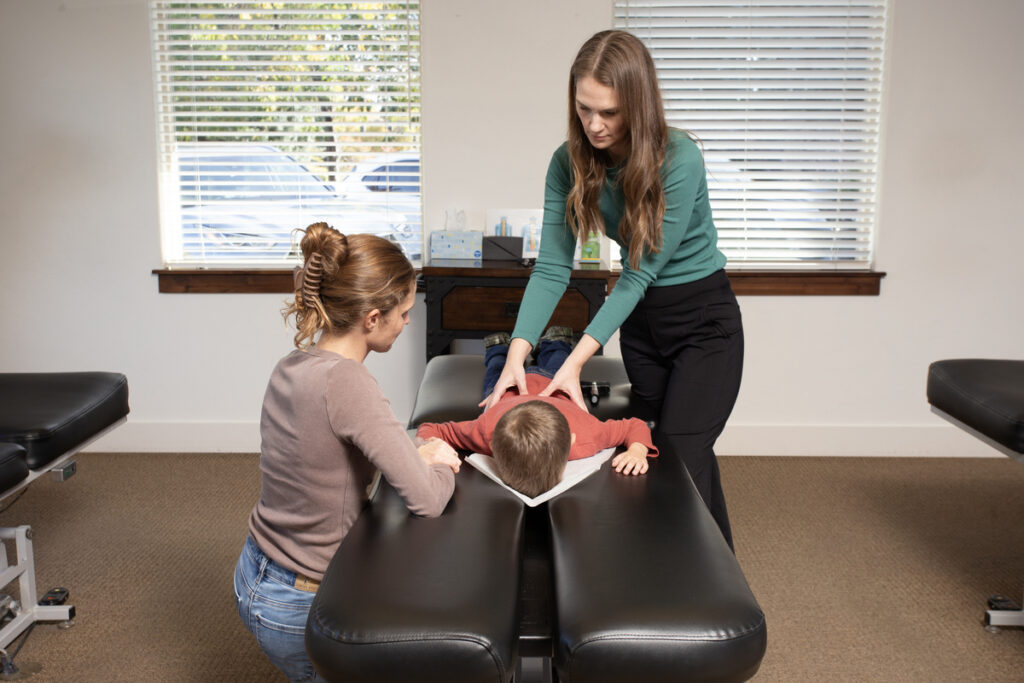
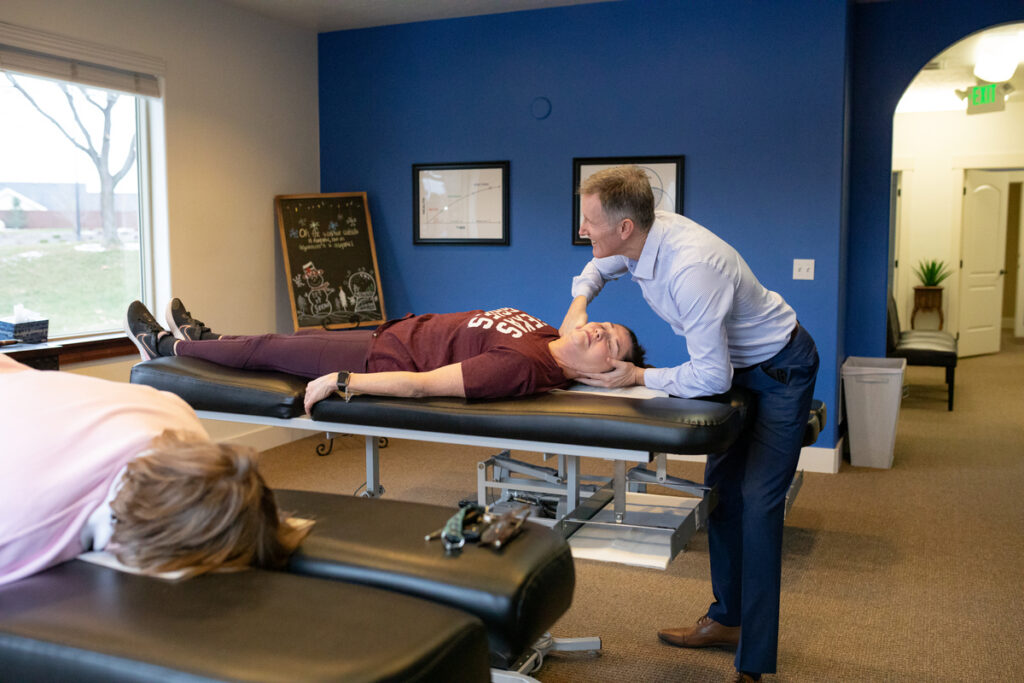
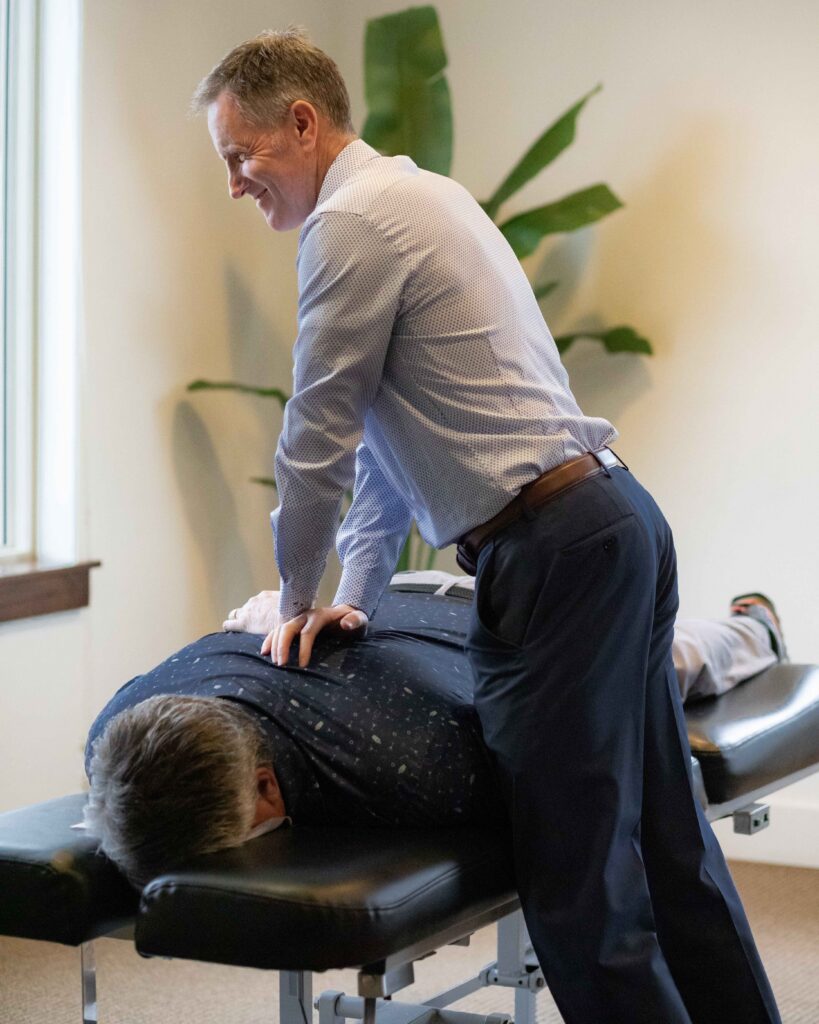
Chiropractic care plays an important role in preventing back injuries by addressing the underlying factors that increase vulnerability. Rather than waiting until pain forces you to seek care, proactive chiropractic visits can help identify and address problems before they progress to injury.
Chiropractors assess spinal alignment, joint mobility, muscle balance, and movement patterns. When vertebral joints aren’t moving properly, the body compensates in ways that create abnormal stress on other structures. Chiropractic adjustments help restore normal joint function, allowing your spine to move and bear loads more efficiently.
Beyond adjustments, chiropractors provide education about body mechanics, ergonomics, and exercise. We can identify specific weaknesses or movement pattern dysfunctions that increase your injury risk and provide targeted recommendations to address them. This individualized approach recognizes that what works for one person may not be appropriate for another.
At our Eagle practice, we emphasize this preventive approach. Many of our patients visit regularly not because they’re in pain, but because they want to stay healthy and active. This proactive strategy—combined with the precautions outlined in this article—provides comprehensive protection against back injuries.
Practical Precautions for Common Activities
Understanding principles is important, but knowing how to apply them in real-world situations makes the difference. Here are practical precautions for activities that commonly lead to back injuries in the Eagle area and beyond.
Yard Work and Gardening
Gardening injuries are extremely common, often because people work in sustained bent-over positions for extended periods. Use a kneeling pad or garden stool to avoid prolonged stooping. When raking or shoveling, keep your back relatively straight and use your legs and arms to generate movement. Switch sides regularly when performing one-sided activities like raking or shoveling.
Take frequent breaks—yard work often involves sustained postures and repetitive movements that fatigue muscles and increase injury risk. Warm up before starting intensive yard work, just as you would before exercise. Even five minutes of gentle movement prepares your body for physical demands.
Snow Shoveling
Snow shoveling sends many people to healthcare providers each winter. The combination of cold muscles, heavy loads, and repetitive forward bending and twisting creates high injury risk. Use a smaller shovel to reduce the amount you lift with each scoop. Push snow when possible rather than lifting it. When you must lift, use proper mechanics and avoid throwing snow to the side with a twisting motion.
Exercise and Recreation
Exercise is crucial for back health, but improper form during exercise can cause injury. Learn proper technique for any new activity before adding intensity or load. Warm up adequately before vigorous activity and cool down afterward. Listen to your body—pain during exercise is a warning signal, not something to push through.
For those who enjoy hiking in the beautiful Eagle foothills and surrounding areas, use a properly fitted backpack with a hip belt that transfers weight to your pelvis rather than loading your spine and shoulders. Pack heavier items close to your back and higher in the pack.
Prolonged Sitting or Standing
Both prolonged sitting and prolonged standing can stress your back. If your job requires extended standing, use a footrest to occasionally elevate one foot, which reduces lower back stress. Wear supportive shoes and use anti-fatigue mats if you stand on hard surfaces.
For prolonged sitting, use the ergonomic principles discussed earlier and take regular movement breaks. Consider a sit-stand desk that allows you to alternate between sitting and standing throughout the day.
| Activity | Common Mistake | Protective Precaution |
|---|---|---|
| Lifting objects | Bending from waist with straight legs | Bend knees, hinge at hips, keep object close |
| Desk work | Sustained forward head posture | Monitor at eye level, frequent position changes |
| Gardening | Prolonged stooped position | Use kneeling pad, take frequent breaks, alternate tasks |
| Getting out of bed | Sitting straight up or twisting | Roll to side first, use arms to push up |
| Carrying bags | Heavy one-sided load | Distribute weight evenly, use both hands, limit weight |
When to Seek Professional Care
Even with the best precautions, occasional back discomfort can occur. Knowing when to seek professional evaluation helps prevent minor issues from becoming significant problems. Consider scheduling a visit to The Chiropractor at Castlebury in Eagle, ID if you experience any of the following.
Pain that persists beyond a few days despite rest and self-care measures warrants evaluation. While minor muscle soreness from new activities typically resolves quickly, persistent pain may indicate an underlying issue that needs attention. Recurring episodes of back pain—even if they resolve on their own—suggest an underlying vulnerability that could benefit from assessment and preventive care.
Pain that radiates into your leg, especially below the knee, may indicate nerve involvement and should be evaluated promptly. Similarly, pain accompanied by numbness, tingling, or weakness in your legs needs professional assessment. These symptoms can indicate disc issues or other conditions that respond better to early intervention.
Back pain following a specific injury or trauma—such as a fall, car accident, or lifting incident—should be evaluated even if the pain initially seems mild. Some injuries worsen over the first few days, and early treatment often leads to better outcomes.
If you find yourself modifying your daily activities significantly to avoid back pain, or if pain is affecting your sleep quality, work performance, or enjoyment of activities, professional care can help. You don’t need to wait until pain becomes severe—addressing issues early often prevents them from progressing to more serious conditions.
Certain warning signs require immediate medical evaluation rather than chiropractic care. Seek emergency medical attention if you experience back pain accompanied by loss of bowel or bladder control, progressive leg weakness, fever, or unexplained weight loss. These symptoms can indicate serious conditions that require urgent medical intervention.
Myths vs. Facts About Back Injury Prevention
Myth: Bed Rest Is the Best Treatment for Back Pain
Fact: Research has shown that prolonged bed rest can actually worsen back pain and delay recovery. While brief rest immediately after an acute injury may be appropriate, returning to normal activities as tolerated—with appropriate precautions—typically leads to better outcomes than extended bed rest. Movement promotes healing by maintaining muscle strength, joint mobility, and circulation.
Myth: If You Have a “Bad Back,” You Should Avoid Exercise
Fact: Exercise is one of the most effective strategies for preventing back injuries and managing chronic back problems. The key is choosing appropriate exercises and using proper form. A weak, deconditioned back is more vulnerable to injury than a strong, well-conditioned one. Working with a chiropractor or other healthcare provider to develop a safe exercise program allows you to build strength and resilience without increasing injury risk.
Myth: Good Posture Means Sitting Up Perfectly Straight
Fact: Your spine has natural curves that should be maintained, not eliminated. Forcing yourself into an overly rigid “military posture” creates muscle fatigue and isn’t sustainable. Good posture means maintaining your spine’s natural curves while avoiding extreme or sustained end-range positions. Additionally, varying your posture throughout the day is more important than maintaining any single “perfect” position.
Myth: Pain Always Indicates Injury Severity
Fact: Pain intensity doesn’t always correlate with tissue damage severity. Some serious conditions cause minimal pain initially, while minor muscle strains can be quite painful. Additionally, chronic pain can persist even after tissues have healed due to changes in how the nervous system processes signals. This is why professional evaluation is valuable—determining the underlying cause is more important than judging severity based solely on pain intensity.
Myth: Young, Active People Don’t Need to Worry About Back Injuries
Fact: While certain types of back problems become more common with age, back injuries affect people of all ages. Young athletes can experience disc injuries, stress fractures, and muscle strains. Active individuals who don’t balance their training with adequate recovery, mobility work, and proper technique are at significant risk for injury regardless of age. Prevention strategies are valuable for everyone, not just older adults.
Protecting Your Back for the Long Term
Back injury prevention isn’t about living in fear of movement or restricting your activities. It’s about moving intelligently, preparing your body for the demands you place on it, and being mindful of the cumulative stress that daily habits create. The precautions outlined in this article—proper lifting mechanics, smart movement patterns, ergonomic awareness, and physical conditioning—work together to create a comprehensive protective strategy.
Here at The Chiropractor at Castlebury in Eagle, Idaho, we’re committed to helping our community maintain healthy, pain-free backs through education and proactive care. We believe that understanding how your spine works and what it needs empowers you to make choices that support long-term spinal health. Most back injuries are preventable, and implementing even a few of these precautions can significantly reduce your risk.
Your back carries you through every activity of your life—from work responsibilities to recreational pursuits to simply playing with your children or grandchildren. Investing time and attention in protecting it pays dividends in sustained function, reduced pain, and the freedom to live actively. If you have questions about back health or would like personalized guidance on injury prevention strategies appropriate for your lifestyle and activities, we’re here to help.
Frequently Asked Questions
How much weight can I safely lift?
There’s no universal safe weight limit because it depends on factors including your strength, fitness level, technique, and whether you’re lifting repetitively. Generally, if you can’t maintain proper form throughout the lift, the load is too heavy. Organizations like NIOSH provide lifting equation calculators that consider multiple factors, but as a practical guideline, if you question whether something is too heavy, it probably is—get help or use mechanical assistance.
Is it better to sleep on my back or side for spinal health?
Both back and side sleeping can be healthy for your spine when done with proper support. Back sleepers should place a pillow under their knees to maintain the natural lumbar curve. Side sleepers benefit from a pillow between their knees to keep the pelvis aligned. Stomach sleeping typically creates the most spinal stress and is generally not recommended. The best sleeping position is ultimately the one that allows you restful sleep without causing pain.
Can I prevent back injuries if back problems run in my family?
While genetics can influence factors like disc composition and spinal structure, lifestyle and habits play a significant role in whether you develop back problems. Many people with family histories of back pain never experience significant issues because they maintain good movement patterns, stay active, and take preventive measures. Conversely, people without genetic predisposition can develop problems through poor habits. Focus on the factors you can control—your prevention strategies matter regardless of family history.
Should I wear a back brace or support belt for prevention?
For most people, regularly wearing a back brace for prevention isn’t recommended. Evidence suggests that routine use may actually weaken your core muscles by reducing the demand on them to stabilize your spine. However, braces may be helpful temporarily during specific high-risk activities or during recovery from injury, when used under professional guidance. Building your own muscular support through exercise is generally more effective than relying on external support.
How soon after a back injury can I return to normal activities?
This depends on the injury type and severity. For minor muscle strains, gradually returning to normal activities within a few days, as tolerated, is typically appropriate. More significant injuries may require longer recovery periods. The general principle is to resume activities progressively, respecting pain signals while avoiding prolonged inactivity. Professional evaluation helps ensure you’re progressing appropriately and not risking re-injury by doing too much too soon.
Are there specific exercises I should avoid if I want to prevent back injuries?
Rather than categorizing exercises as universally good or bad, focus on whether an exercise is appropriate for your current fitness level and whether you’re performing it with proper technique. Exercises involving heavy loading with a flexed spine pose higher risk, as do ballistic twisting movements. However, many exercises commonly labeled “dangerous” can be performed safely with proper progression and form. Working with a qualified professional to learn proper technique reduces injury risk significantly.
TL;DR – Key Takeaways
- Most back injuries are preventable through proper body mechanics, particularly avoiding the dangerous combination of forward bending, twisting, and loading simultaneously.
- Proper lifting technique—keeping loads close, bending knees, engaging core, and using leg muscles—protects your spine during one of the most common injury-causing activities.
- Ergonomic workstation setup and frequent position changes reduce cumulative stress from prolonged sitting, which affects many Eagle-area workers and residents.
- Core strengthening, leg strength, and adequate flexibility create the physical foundation for injury-resistant movement patterns and spinal stability.
- Proactive chiropractic care at The Chiropractor at Castlebury helps identify and address vulnerabilities before they progress to injury, supporting long-term back health for our Eagle, Idaho community.