
If you’ve been asking yourself “Why do I keep getting headaches?” you’re not alone. Headaches are one of the most common health complaints among adults, affecting millions of people every day. While occasional headaches are normal, recurring or chronic headaches can significantly impact your quality of life, productivity, and overall well-being. Many people in Eagle and the surrounding Treasure Valley area reach for pain relievers without understanding what’s actually causing their headaches in the first place. The truth is, most recurring headaches have identifiable triggers that people often overlook—and addressing these root causes can make a world of difference.
This article will help you understand the common causes behind recurring headaches that most people miss, and how identifying these factors can empower you to take control of your health. Whether you’re dealing with tension headaches, cervicogenic headaches, or other types of head pain, understanding the “why” behind your symptoms is the first step toward lasting relief.
What Are Recurring Headaches?
What does it mean when you keep getting headaches? Recurring headaches are defined as head pain that occurs frequently—typically more than twice per week or in predictable patterns over weeks or months. Unlike isolated headaches triggered by obvious factors like dehydration or illness, recurring headaches often have underlying mechanical, postural, neurological, or lifestyle-related causes that need to be addressed for long-term relief.
Table of Contents
- Understanding Different Types of Headaches
- Poor Posture and Neck Alignment Issues
- Jaw Tension and TMJ Dysfunction
- Muscle Trigger Points and Referred Pain
- Forward Head Posture and Tech Neck
- Sleep Position and Pillow Problems
- Chronic Stress and Muscle Tension
- How Chiropractic Care Addresses Headache Causes
- Lifestyle Factors You Might Be Overlooking
- Practical Tips for Headache Prevention
- When to See a Chiropractor for Headaches
- Treatment Approaches Comparison
- Myths vs. Facts About Recurring Headaches
- Final Thoughts
Understanding Different Types of Headaches
Not all headaches are created equal. Understanding what type of headache you’re experiencing can help identify the underlying cause. The three most common types of recurring headaches are tension-type headaches, cervicogenic headaches, and migraines. Each has distinct characteristics and triggers.
Tension-type headaches are the most common form of headache, often described as a band-like pressure around the head. They’re typically associated with muscle tension in the neck, shoulders, and scalp. These headaches can last from thirty minutes to several days and are often triggered by stress, poor posture, or sustained awkward positions.
Cervicogenic headaches originate from problems in the cervical spine—the neck region. Unlike tension headaches that involve muscle tightness, cervicogenic headaches stem from joint dysfunction, nerve irritation, or misalignment in the upper neck. The pain typically starts at the base of the skull and radiates forward toward the forehead, temples, or behind the eyes. These headaches are often one-sided and may be accompanied by neck stiffness or reduced range of motion.
Migraines are neurological events characterized by intense, throbbing pain, often on one side of the head. They may be accompanied by nausea, sensitivity to light and sound, and visual disturbances. While migraines have a genetic component, they can be triggered or worsened by mechanical factors in the neck and spine, making proper spinal alignment an important consideration even for migraine sufferers.
Many patients at The Chiropractor at Castlebury in Eagle discover that their recurring headaches fall into the tension-type or cervicogenic categories—both of which respond well to conservative, hands-on care that addresses the underlying structural issues rather than just masking symptoms.
Poor Posture and Neck Alignment Issues
One of the most commonly overlooked causes of recurring headaches is poor posture and misalignment in the cervical spine. Your neck is designed to maintain a gentle forward curve that supports the weight of your head, which averages about ten to twelve pounds. When this natural curve is disrupted—whether through injury, repetitive strain, or poor postural habits—the muscles, joints, and nerves in your neck must work overtime to compensate.
Research published in the Journal of Manipulative and Physiological Therapeutics has shown that spinal manipulation and mobilization can be effective interventions for cervicogenic headaches and headaches associated with neck dysfunction. When the vertebrae in your neck become misaligned or restricted in their movement, they can irritate nearby nerves and create tension patterns that radiate into the head.
The upper cervical spine—particularly the first two vertebrae known as the atlas and axis—plays a critical role in headache development. These bones have complex relationships with the muscles, nerves, and blood vessels that supply the head and face. Even small misalignments in this region can trigger significant head pain. The suboccipital muscles, which connect the base of the skull to the upper neck, often become tight and tender when spinal alignment is compromised, creating what feels like a deep, aching pressure at the back of the head.
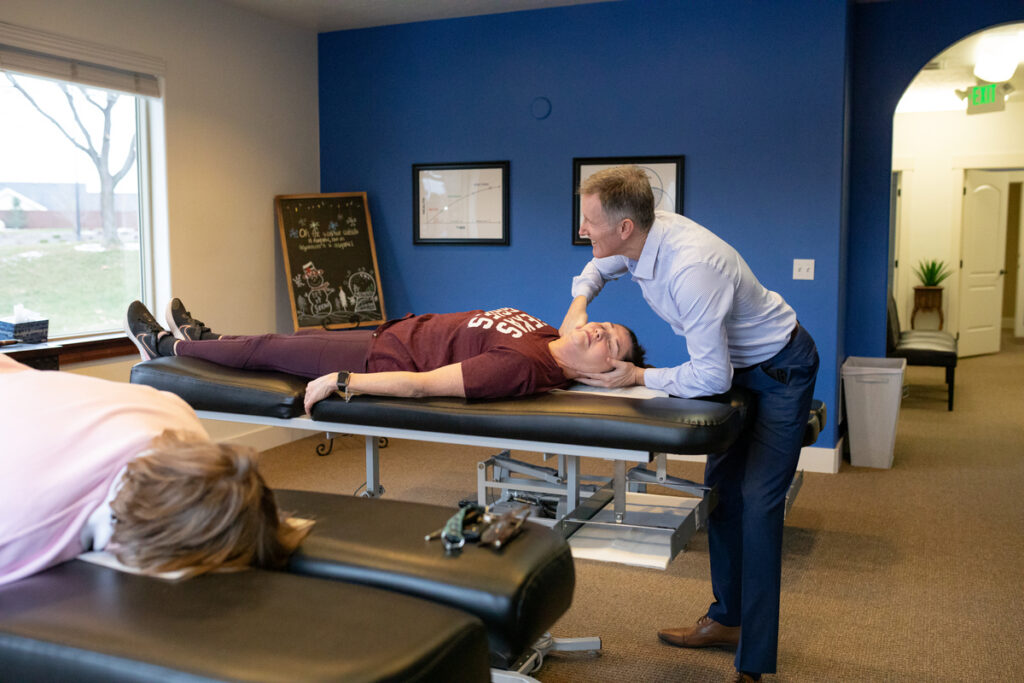
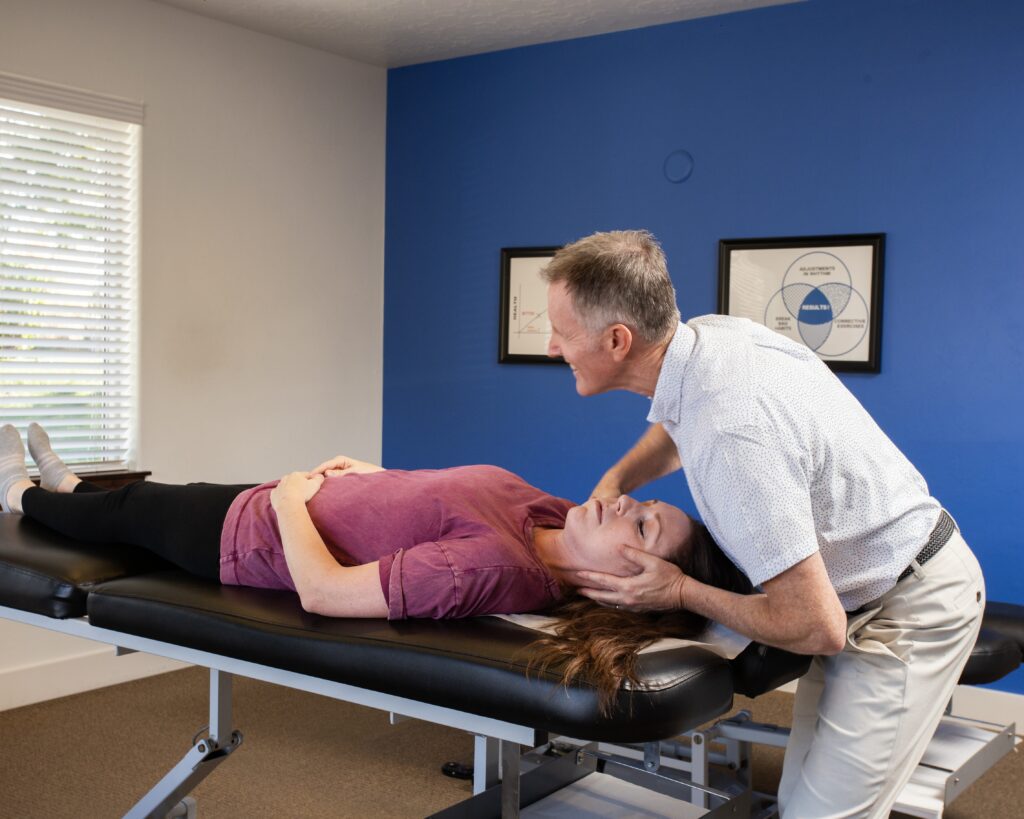
Here in Eagle, Dr. Craig Ellison sees many patients whose headaches improve significantly once their neck alignment is addressed. The connection between neck function and head pain is so strong that cervicogenic headaches are sometimes called “neck headaches.” When the joints of the cervical spine are moving properly and the surrounding muscles can relax, many people experience substantial relief from their recurring headache patterns.
Jaw Tension and TMJ Dysfunction
The temporomandibular joint—where your jaw connects to your skull—is another frequently missed contributor to chronic headaches. TMJ dysfunction affects millions of Americans, and many don’t realize that their jaw problems are connected to their head pain. The muscles that control jaw movement, including the temporalis and masseter muscles, attach to areas of the skull and can create referred pain patterns that feel like headaches.
Jaw clenching and teeth grinding, medically known as bruxism, often occur unconsciously during sleep or periods of stress. This constant muscle contraction creates tremendous tension in the jaw muscles, which can radiate pain into the temples, forehead, and even behind the eyes. Many people who grind their teeth wake up with headaches that improve as the day progresses, only to return the following morning.
TMJ dysfunction is often related to neck alignment issues as well. The position and function of your jaw are intimately connected to the position of your head and neck. Forward head posture, for example, changes the biomechanics of jaw opening and closing, which can lead to increased strain on the TMJ and surrounding muscles. This creates a cycle where neck problems contribute to jaw tension, and jaw tension creates headaches.
At The Chiropractor at Castlebury, patients with TMJ-related headaches often benefit from care that addresses both the cervical spine and the mechanics of the jaw. While chiropractors don’t treat the TMJ itself in the same way a dentist would, addressing the neck alignment and muscle tension in the upper cervical region often has a positive impact on jaw function and TMJ-related headache patterns.
Muscle Trigger Points and Referred Pain
Myofascial trigger points are another commonly overlooked cause of recurring headaches. These are hyperirritable spots within tight bands of muscle that can refer pain to other areas of the body. Several muscles in the neck, shoulders, and upper back have trigger point patterns that create headache pain, even though the actual source of discomfort is in the muscle itself rather than the head.
The upper trapezius muscle, which runs from the base of the skull down to the shoulders, commonly develops trigger points that refer pain to the temples and behind the eyes. The sternocleidomastoid muscle, located on the front and side of the neck, can create pain patterns that mimic sinus headaches or tension headaches. The suboccipital muscles we mentioned earlier can also harbor trigger points that create deep, aching pain at the base of the skull.
What makes trigger points particularly tricky is that the pain they create doesn’t occur at the location of the trigger point itself. You might have tight, tender muscles in your neck and shoulders that you’ve learned to ignore, not realizing they’re the source of your recurring headaches. This is why addressing headaches often requires looking beyond the head itself to identify mechanical and muscular dysfunction in related areas.
Conservative care approaches that include soft tissue work, specific stretching, and spinal adjustments can help reduce trigger point activity and restore normal muscle function. When trigger points are addressed and the underlying postural or movement patterns that created them are corrected, many people experience significant reduction in headache frequency and intensity.
Forward Head Posture and Tech Neck
In our modern, technology-driven world, forward head posture has become an epidemic—and it’s a major contributor to recurring headaches. Also called “tech neck” or “text neck,” this postural distortion occurs when your head shifts forward relative to your shoulders, typically from prolonged phone use, computer work, or other activities that require looking downward.
The biomechanical impact of forward head posture is staggering. For every inch your head moves forward from its ideal position, it effectively adds ten pounds of weight that your neck muscles must support. If your head is three inches forward—which is common among people who spend hours at computers or on smartphones—your neck is working to support forty to fifty pounds instead of the normal ten to twelve. This creates enormous strain on the muscles, ligaments, and joints of the cervical spine.
Over time, this chronic strain leads to muscle fatigue, joint restriction, and nerve irritation—all of which can trigger headaches. The muscles at the back of your neck become overworked trying to hold your head up against gravity, while the muscles at the front of your neck become weak and stretched. This imbalance creates tension patterns that frequently result in tension-type headaches and cervicogenic headaches.
Many patients who visit The Chiropractor at Castlebury in Eagle are surprised to learn how much their phone and computer habits are contributing to their headaches. Dr. Craig Ellison often evaluates posture as part of a comprehensive headache assessment, because addressing forward head posture is essential for long-term headache relief. Without correcting the postural habits that created the problem, headaches are likely to return even after successful treatment.
Sleep Position and Pillow Problems
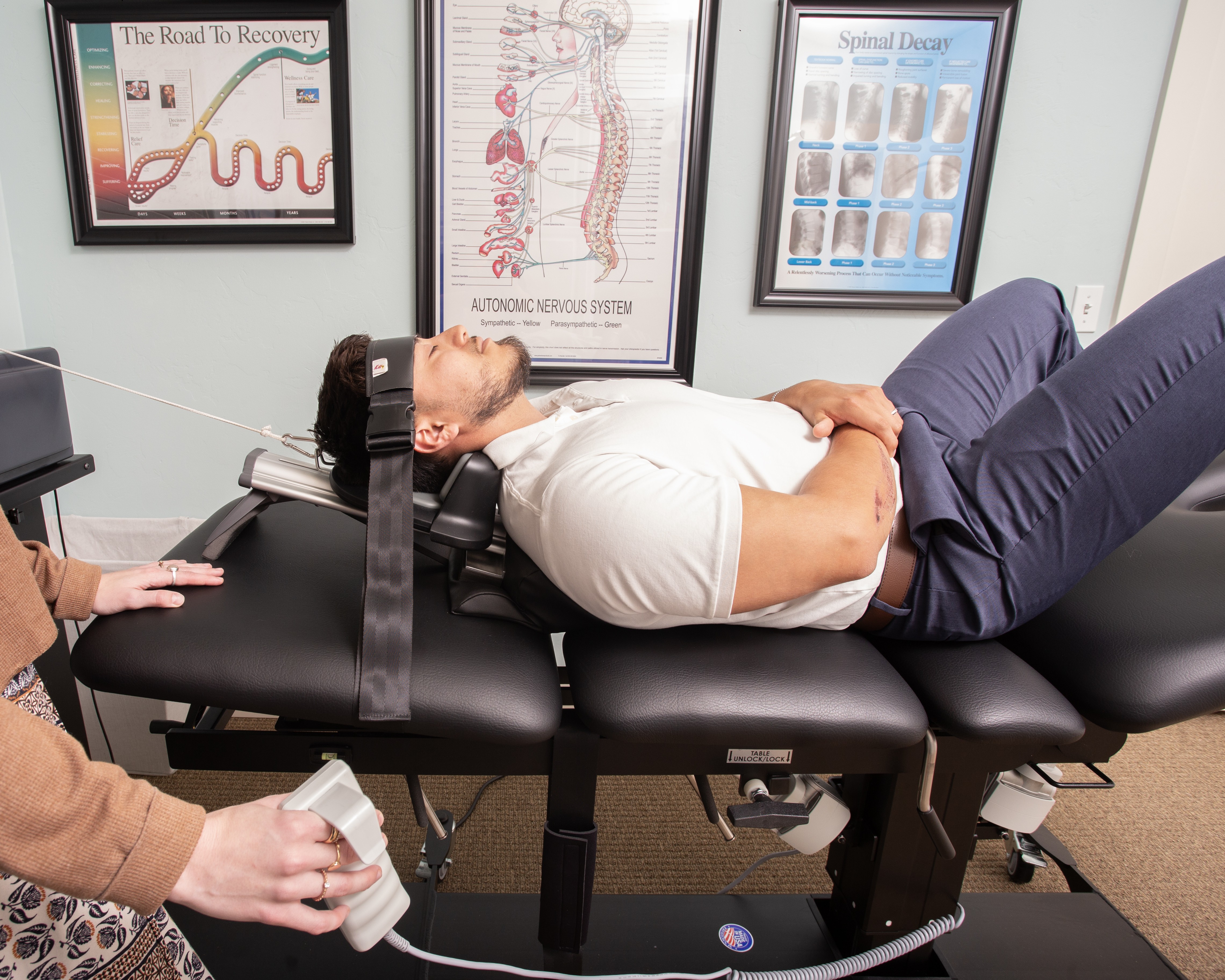
The way you sleep and the pillow you use can have a significant impact on recurring headaches, yet most people never consider these factors. Sleeping in positions that strain your neck or using a pillow that doesn’t properly support your cervical spine can create muscle tension and joint stress that leads to morning headaches.
Stomach sleeping is particularly problematic for the neck. When you sleep on your stomach, you must turn your head to one side to breathe, which creates a rotated and extended position in the cervical spine that’s maintained for hours. This sustained awkward position strains the joints, compresses nerves, and creates muscle tension that often results in waking up with a headache.
Side sleeping and back sleeping are generally better for neck health, but only if you’re using the right pillow. A pillow that’s too high, too flat, too soft, or too firm can all create problems. The goal is to maintain the natural curve of your neck while you sleep, keeping your head in neutral alignment with your spine. Side sleepers typically need a thicker pillow to fill the space between the shoulder and head, while back sleepers usually do better with a thinner pillow that doesn’t push the head too far forward.
Old, worn-out pillows that have lost their support can also contribute to headaches. If you’ve had the same pillow for several years and it no longer springs back to its original shape, it’s probably time for a replacement. Investing in a quality pillow that’s appropriate for your sleep position is one of the simplest yet most effective things you can do to reduce morning headaches and improve neck health.
Chronic Stress and Muscle Tension
Stress is a well-known headache trigger, but the mechanism behind stress-related headaches is often misunderstood. While stress itself doesn’t directly cause headaches, the physical response to stress—particularly sustained muscle tension—absolutely does. When you experience stress, your body enters a state of heightened alertness, which includes unconscious tightening of muscles throughout the body, especially in the neck, shoulders, and jaw.
This stress-induced muscle tension, when sustained over days, weeks, or months, creates the perfect conditions for chronic headaches. The muscles become fatigued, develop trigger points, and can eventually lead to changes in spinal alignment as they pull on the vertebrae and joints. Many people don’t even realize how much tension they’re carrying in their neck and shoulders until someone points it out or applies pressure to the area.
The relationship between stress and headaches can become a vicious cycle. Stress causes muscle tension, which triggers headaches. The headaches themselves then become a source of stress, which perpetuates the muscle tension and makes the headaches more likely to occur. Breaking this cycle requires both addressing the mechanical factors—the muscle tension and spinal dysfunction—and developing better stress management strategies.
Evidence suggests that manual therapy approaches, including chiropractic care, can help interrupt this cycle by reducing muscle tension, improving spinal mobility, and helping restore normal neurological function. While chiropractic care doesn’t eliminate stress from your life, it can help your body handle stress more effectively by ensuring your musculoskeletal system is functioning optimally.
How Chiropractic Care Addresses Headache Causes
Chiropractic care offers a conservative, drug-free approach to recurring headaches that focuses on identifying and addressing the underlying mechanical causes rather than just masking symptoms. At The Chiropractor at Castlebury in Eagle, the approach to headaches begins with a thorough evaluation to understand what’s driving your symptoms.
Dr. Craig Ellison evaluates spinal alignment, joint mobility, muscle tension patterns, posture, and range of motion to identify the mechanical factors contributing to headache patterns. This comprehensive assessment helps distinguish between different types of headaches and guides the development of an individualized care plan.
Spinal adjustments are a cornerstone of chiropractic care for headaches, particularly for cervicogenic headaches and tension-type headaches. Research published in multiple peer-reviewed journals, including studies reviewed by the Cochrane Collaboration, indicates that spinal manipulation can reduce the frequency and intensity of certain types of headaches. Adjustments help restore normal motion to restricted spinal joints, reduce nerve irritation, and allow surrounding muscles to relax.
In addition to adjustments, chiropractic care for headaches often includes soft tissue techniques to address muscle tension and trigger points. These may include various manual therapy approaches designed to reduce muscle tightness and improve tissue quality. Rehabilitative exercises and stretches are also commonly prescribed to address postural weaknesses and help maintain the improvements achieved through hands-on care.
One of the advantages of chiropractic care for headaches is that it addresses the cause rather than just covering up symptoms. While pain medication can provide temporary relief, it doesn’t change the underlying mechanical problems that are triggering your headaches. By improving spinal function, reducing muscle tension, and correcting postural issues, chiropractic care aims to reduce headache frequency and intensity over time, often leading to longer-lasting results.
For patients in Eagle and the surrounding areas, The Chiropractor at Castlebury provides individualized care that considers your specific headache patterns, lifestyle factors, and overall health goals. The care plan is tailored to your needs and adjusted as you progress.
Lifestyle Factors You Might Be Overlooking
Beyond the mechanical and structural factors we’ve discussed, several lifestyle elements can contribute to recurring headaches in ways that many people don’t consider. Understanding these factors and making appropriate modifications can significantly impact your headache patterns.
Hydration status plays a crucial role in headache development. Even mild dehydration can trigger headaches in susceptible individuals. Your brain is approximately seventy-three percent water, and when you’re dehydrated, brain tissue actually shrinks slightly, pulling away from the skull and activating pain receptors. Here in Idaho’s dry climate, staying adequately hydrated is particularly important. Aim for consistent water intake throughout the day rather than trying to catch up all at once.
Caffeine consumption is another commonly overlooked factor. While caffeine can actually help relieve some headaches in the short term—which is why it’s included in some over-the-counter headache medications—regular caffeine use can lead to rebound headaches. If you consume caffeine daily and then miss your usual intake, you may experience withdrawal headaches. Inconsistent caffeine consumption can create a pattern of recurring headaches that people rarely connect to their coffee or energy drink habits.
Screen time and visual strain have become increasingly significant headache triggers in our digital age. Extended periods of focusing on screens causes eye strain and fatigue, which can manifest as headaches, particularly frontal headaches behind the eyes or across the forehead. The blue light emitted by screens, the reduced blink rate that occurs during screen use, and the sustained near-focus demands all contribute to this phenomenon.
Meal timing and blood sugar fluctuations can also trigger headaches. Skipping meals or going too long between eating can cause blood sugar levels to drop, which may trigger headaches in sensitive individuals. Maintaining stable blood sugar through regular, balanced meals is a simple but often overlooked strategy for headache prevention.
Environmental factors including weather changes, strong odors, bright lights, and loud noises can all act as headache triggers for some people. While you can’t control the weather, being aware of your personal triggers allows you to take preventive measures when possible and understand patterns in your headache occurrence.
Practical Tips for Headache Prevention
Taking a proactive approach to headache prevention involves making strategic changes to your daily habits and environment. These practical tips can help reduce the frequency and intensity of recurring headaches when applied consistently.
Optimize your workstation ergonomics. Position your computer monitor at eye level, about an arm’s length away, so you’re not looking down or tilting your head. Your chair should support the natural curve of your lower back, and your feet should rest flat on the floor or on a footrest. Take regular breaks from your desk—a good rule is the twenty-twenty-twenty rule: every twenty minutes, look at something twenty feet away for twenty seconds.
Practice proper smartphone posture. Instead of looking down at your phone, bring it up to eye level. This simple change can dramatically reduce the strain on your neck muscles. Be mindful of how much time you spend on your phone each day, and consider setting limits if you notice that increased phone use correlates with more frequent headaches.
Evaluate and optimize your sleep setup. Invest in a quality pillow that supports your neck in your preferred sleep position. Replace your pillow every one to two years, or sooner if it’s lost its support. If you’re a stomach sleeper, work on transitioning to side or back sleeping positions that are less stressful for your neck.
Incorporate gentle neck stretches and mobility exercises into your daily routine. Simple movements like chin tucks, neck rotations, and shoulder rolls can help maintain neck flexibility and reduce muscle tension. However, avoid aggressive neck cracking or forceful stretching, which can sometimes worsen problems.
Manage stress through consistent practices like deep breathing exercises, regular physical activity, adequate sleep, and activities that help you relax and decompress. While you can’t eliminate stress from your life, you can develop better tools for managing it before it manifests as physical tension and headaches.
Stay consistently hydrated throughout the day. Keep a water bottle with you and sip regularly rather than trying to drink large amounts all at once. Pay particular attention to hydration during hot weather, at high altitude, or during physical activity.
Maintain regular meal times and include protein and healthy fats with your meals to help stabilize blood sugar levels. Avoid long gaps between eating, which can trigger low blood sugar headaches.
Track your headaches in a simple journal or smartphone app. Note when they occur, their intensity, what you were doing beforehand, what you ate, your stress level, and any other relevant factors. Over time, patterns may emerge that help you identify specific triggers you can then work to avoid or mitigate.
When to See a Chiropractor for Headaches
If you’re experiencing recurring headaches, seeking professional evaluation is an important step toward finding lasting relief. Chiropractic care may be particularly appropriate when your headaches have certain characteristics or patterns.
Consider scheduling an evaluation if your headaches occur frequently—more than twice per week—or have been ongoing for several weeks or months despite trying over-the-counter remedies. Headaches that seem to be related to neck pain, stiffness, or reduced neck mobility are particularly good candidates for chiropractic evaluation, as these symptoms suggest a cervicogenic component.
If your headaches consistently occur after certain activities—such as working at a computer, using your smartphone, driving, or waking up in the morning—this pattern suggests mechanical or postural factors that chiropractic care can address. Similarly, if you notice that your headaches improve temporarily with stretching, massage, or applying heat to your neck and shoulders, this indicates that musculoskeletal factors are involved.
Headaches that aren’t responding adequately to medication, or situations where you find yourself relying increasingly on pain relievers to get through the day, warrant professional evaluation. While medications can provide temporary symptomatic relief, they don’t address underlying causes, and overuse of pain medications can actually lead to rebound headaches that perpetuate the cycle.
The team at The Chiropractor at Castlebury in Eagle can help evaluate your headaches and determine whether chiropractic care is appropriate for your specific situation. Dr. Craig Ellison takes the time to understand your headache patterns and conduct a thorough examination to identify contributing factors.
That said, certain headache characteristics require immediate medical attention rather than conservative care. Seek emergency medical evaluation if you experience a sudden, severe headache unlike any you’ve had before—sometimes described as a “thunderclap” headache. Headaches accompanied by fever, stiff neck, confusion, vision changes, difficulty speaking, numbness, or weakness also require immediate medical attention. Headaches following a head injury or trauma should be evaluated promptly as well.
A chiropractor will recognize these red flags and refer appropriately when necessary. The goal is always to ensure you receive the most appropriate care for your specific condition, whether that’s conservative chiropractic care, medical management, or a combination of approaches.
Treatment Approaches Comparison
| Approach | How It Works | Best For | Considerations |
|---|---|---|---|
| Chiropractic Care | Addresses spinal alignment, joint mobility, and muscle tension through adjustments and manual therapy | Cervicogenic headaches, tension-type headaches, headaches related to posture or neck dysfunction | Drug-free, addresses underlying mechanical causes, requires multiple visits initially |
| Over-the-Counter Medications | Reduces pain signals and inflammation through pharmaceutical action | Occasional headaches, acute pain relief | Symptomatic relief only, doesn’t address root cause, risk of rebound headaches with overuse |
| Physical Therapy | Uses exercises, stretches, and manual therapy to improve strength, flexibility, and movement patterns | Headaches with significant muscle weakness or movement dysfunction | Requires active participation and home exercises, typically covered by insurance |
| Massage Therapy | Reduces muscle tension through soft tissue manipulation | Tension-type headaches with significant muscle tightness | Provides temporary relief, works best when combined with corrective care |
| Lifestyle Modifications | Changes to ergonomics, stress management, sleep habits, and other daily factors | All headache types as preventive measures | Requires discipline and consistency, works best combined with hands-on care |
Myths vs. Facts About Recurring Headaches
Myth: All Headaches Are the Same and Should Be Treated the Same Way
Fact: There are many different types of headaches with distinct causes and characteristics. Tension-type headaches, cervicogenic headaches, migraines, cluster headaches, and other varieties each have unique features. Effective treatment requires identifying what type of headache you’re experiencing and addressing the specific factors driving it. A one-size-fits-all approach rarely provides optimal results.
Myth: If You Have a Headache, You Should Just Take Medication and Rest
Fact: While rest and appropriate medication can provide temporary relief for acute headaches, recurring headaches often indicate an underlying problem that needs to be addressed. Simply masking symptoms with medication doesn’t resolve the mechanical, postural, or lifestyle factors that are triggering the headaches. Identifying and addressing root causes leads to more lasting relief.
Myth: Chiropractic Care for Headaches Is Just About “Cracking” Your Neck
Fact: While spinal adjustments are an important component of chiropractic care for many headache sufferers, comprehensive headache care involves much more. Evaluation of posture, assessment of muscle tension, soft tissue work, rehabilitation exercises, ergonomic guidance, and lifestyle recommendations all play important roles. The goal is to address all the factors contributing to your headaches, not just perform adjustments.
Myth: You Have to Live with Chronic Headaches—They’re Just Part of Life
Fact: While some people are more prone to headaches than others, frequent headaches are not normal and don’t have to be accepted as inevitable. Many causes of recurring headaches can be identified and addressed through conservative approaches. Significant improvement in headache frequency and intensity is possible for many people when the underlying causes are properly addressed.
Myth: Headaches That Start in the Morning Mean You Have a Serious Medical Condition
Fact: While morning headaches can occasionally indicate serious conditions that require medical evaluation, they’re more commonly related to sleep position, pillow problems, teeth grinding, or sleep apnea. If you consistently wake up with headaches that improve as the day goes on, it’s worth evaluating your sleep setup and discussing the issue with a healthcare provider, but it doesn’t automatically indicate something serious.
Final Thoughts
Recurring headaches can be frustrating and disruptive, but they don’t have to be a permanent part of your life. Understanding the common causes that most people overlook—poor posture, neck misalignment, jaw tension, muscle trigger points, forward head posture, sleep position problems, and chronic stress—is the first step toward finding lasting relief. Many of these factors are interconnected, which is why a comprehensive approach that addresses multiple contributing elements often yields the best results.
If you’re in Eagle, Idaho, and you’re tired of dealing with recurring headaches without getting real answers, The Chiropractor at Castlebury is here to help. Dr. Craig Ellison takes a thorough, individualized approach to understanding what’s driving your headaches and developing a care plan tailored to your specific needs. Rather than just treating symptoms, the focus is on identifying and addressing the underlying mechanical and lifestyle factors that are triggering your head pain.
Living with chronic headaches doesn’t have to be your normal. Conservative, drug-free care that addresses the root causes can make a meaningful difference in your quality of life. Whether your headaches are related to your desk job, your smartphone habits, your sleep position, or tension in your neck and shoulders, understanding the “why” behind your symptoms empowers you to take control and find real relief.
Frequently Asked Questions
Can poor posture really cause recurring headaches?
Yes, poor posture is one of the most common yet overlooked causes of recurring headaches. Forward head posture and rounded shoulders create sustained muscle tension and stress on the cervical spine, which can trigger tension-type headaches and cervicogenic headaches. Correcting postural habits and addressing spinal alignment often leads to significant improvement in headache patterns.
How do I know if my headaches are coming from my neck?
Cervicogenic headaches—those originating from the neck—often have specific characteristics. They typically start at the base of the skull or upper neck and radiate forward toward the forehead, temples, or behind the eyes. They may be one-sided, associated with neck stiffness or reduced range of motion, and often worsen with certain neck positions or movements. A chiropractor can perform specific tests to determine if your neck is contributing to your headaches.
How long does it take for chiropractic care to help with headaches?
The timeline varies depending on how long you’ve had the headaches, what’s causing them, and your overall health status. Some patients notice improvement within the first few visits, while others require several weeks of consistent care before seeing significant changes. Chronic headaches that have been present for months or years typically take longer to resolve than more recent ones. Your chiropractor can provide a more specific timeline after evaluating your individual situation.
Are there any exercises I can do at home to help prevent headaches?
Yes, gentle neck mobility exercises and postural strengthening can help. Chin tucks, shoulder blade squeezes, and gentle neck stretches can be beneficial when done correctly. However, it’s important to learn proper technique to avoid making things worse. Your chiropractor can demonstrate specific exercises appropriate for your situation and ensure you’re performing them correctly.
Should I be concerned if I get headaches every day?
Daily headaches warrant professional evaluation to identify the underlying cause and rule out any serious conditions. While daily headaches are often related to mechanical factors like posture, muscle tension, or lifestyle habits, it’s important to have them properly assessed. A chiropractor can evaluate musculoskeletal factors and refer to other providers if needed to ensure you receive appropriate care.
Can chiropractic care help with migraines, or just tension headaches?
While research most strongly supports chiropractic care for cervicogenic headaches and tension-type headaches, some migraine sufferers also find benefit. Evidence suggests that spinal manipulation may help reduce migraine frequency and intensity in some individuals, particularly when cervical spine dysfunction is present. Each person’s response is individual, and your chiropractor can discuss realistic expectations based on your specific headache type and characteristics.
TL;DR – Key Takeaways
- Recurring headaches often have identifiable mechanical causes including poor posture, neck misalignment, jaw tension, muscle trigger points, and forward head posture—factors that most people overlook.
- Cervicogenic headaches originate from problems in the neck and often respond well to chiropractic care that addresses spinal alignment and muscle tension.
- Lifestyle factors like sleep position, pillow quality, screen time, hydration, stress, and caffeine consumption all play significant roles in headache patterns.
- Chiropractic care offers a conservative, drug-free approach that focuses on identifying and addressing root causes rather than just masking symptoms.
- If you experience headaches more than twice per week or they’re associated with neck pain and stiffness, professional evaluation can help identify contributing factors and develop an effective care plan.